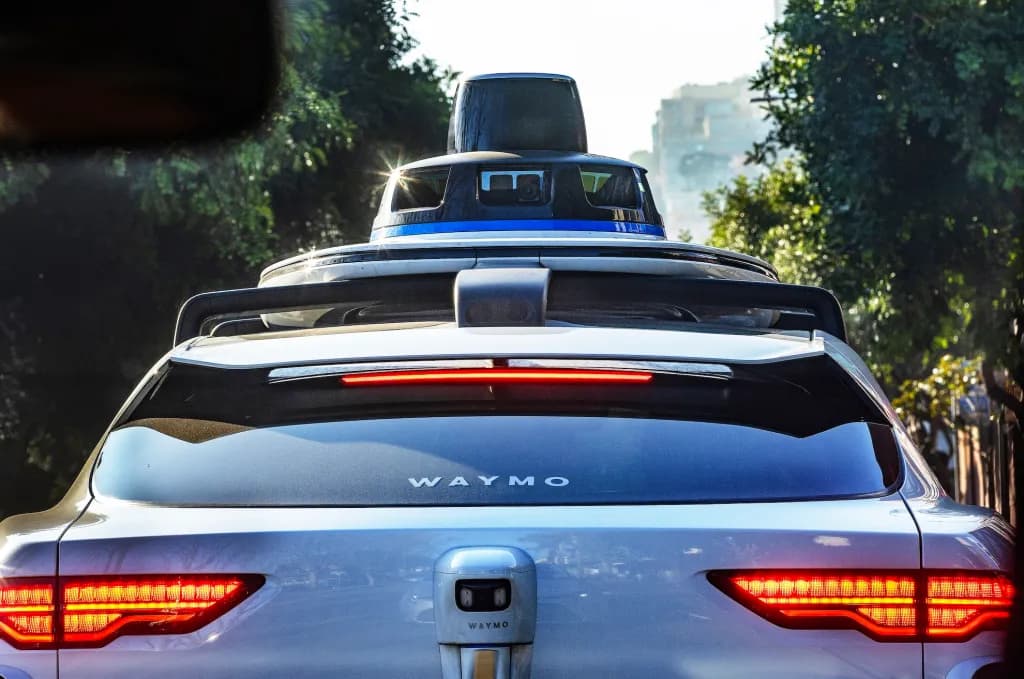
Waymo’s rapid shift from pilot programs to full public service across ten U.S. metros is reshaping the strategic landscape for regulators, city planners, and fleet partners under the pressure of fresh funding and active NHTSA and NTSB investigations.
From Pilots to Ten Cities
In a February 24 blog post, co-CEO Tekedra Mawakana reported that Waymo has expanded its fully driverless robotaxi service into Dallas, Houston, San Antonio, and Orlando, bringing the company’s footprint to ten U.S. markets. Public filings and media reports indicate around 2,500 active Jaguar I-PACE vehicles operating without safety drivers, up from just a handful in its initial pilot phases.
That geographic push follows a $16 billion funding round, which public sources place at a $126 billion valuation. Waymo says it remains on track for more than one million weekly rides by the end of 2026, a target that underscores intensified pressure to turn data and scale into revenue.

Regulatory Scrutiny Tightens Operational Margins
Federal probes by the National Highway Traffic Safety Administration (NHTSA) and the National Transportation Safety Board (NTSB) have accompanied this expansion. Reports confirm an NHTSA investigation into a low-speed collision involving a child, and an NTSB inquiry into robotaxi interactions with school buses. These investigations may prompt mandated software patches, expanded incident reporting requirements, or temporary operational constraints in new service areas.

Local permitting bodies could also seek stricter audit trails of remote-assistance interventions and impose layered approval processes before granting full coverage of downtown cores and highway corridors. Such conditions may slow incremental fleet deployment and influence public acceptance in markets where trust remains nascent.
Competitive Landscape and Market Power
Waymo’s beachhead in multiple Sun Belt metros—including fast-growing, car-dependent regions—gives it varied operating contexts that reports suggest competitors have yet to match. Cruise continues to rebuild after regulatory setbacks in 2023, Zoox remains in test phases, and Tesla has no confirmed driverless public fleets. That divergence affords Waymo an edge in gathering edge-case data and negotiating volumes with enterprise buyers.

Implications for Stakeholders
- City Planners and Transit Agencies: Emerging ridership metrics from car-dependent regions are likely to reshape curb-management strategies, first- and last-mile integration plans, and transit-oriented development assumptions.
- Fleet Partners and Insurers: Reports signal potential revisits of liability frameworks, claims-response SLAs, and coverage terms as regulators press for transparent incident records.
- Enterprise Mobility Buyers: Waymo’s scale may alter the economics of on-demand transport contracts for events, employee shuttles, and logistics pilots, even as pricing models remain provisional.
Diagnostic Takeaways
- Waymo’s infusion of fresh capital and accelerated city rollouts heighten the stakes: success will hinge on navigating a web of federal investigations and local permit regimes.
- The convergence of scale pressure and regulatory scrutiny is likely to produce negotiation leverage for municipalities seeking fee structures, data-sharing terms, and operational guarantees.
- Entrenched competitors remain on the defensive: Waymo’s expanded service in varied urban contexts strengthens its bargaining position with mobility platforms and enterprise customers.
By testing its driverless model across ten diverse metros, Waymo is challenging existing regulatory frameworks and market conventions simultaneously. The outcome will redefine the dynamics of urban mobility, risk allocation, and the shape of future transportation partnerships.