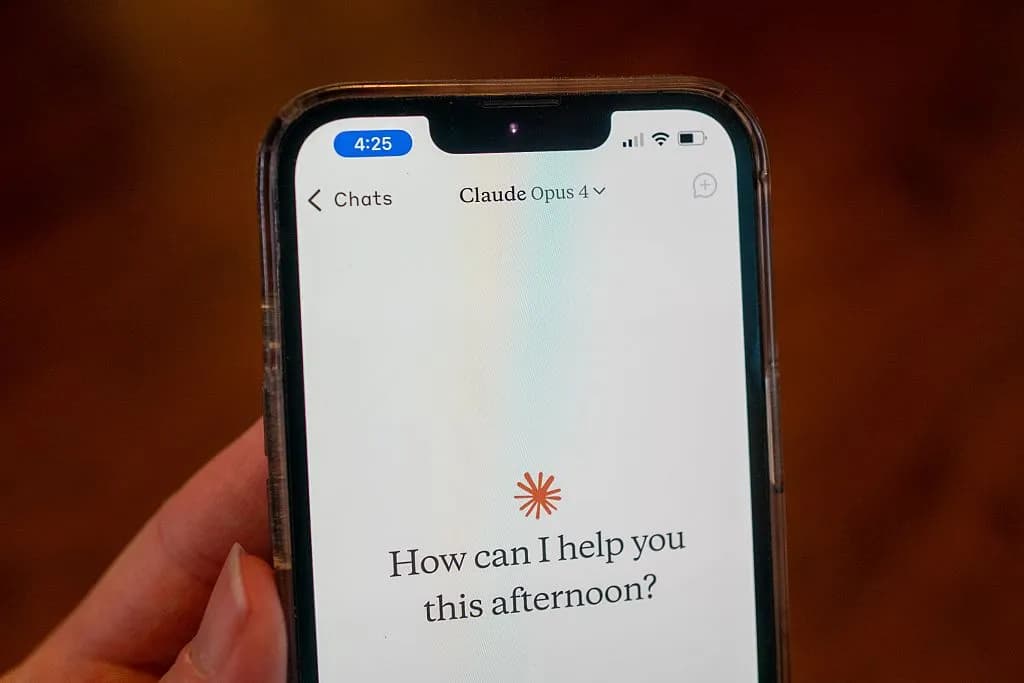
Anthropic’s Claude remains operationally indispensable to the Pentagon while a retreat by commercial defense partners highlights the tensions between mission urgency and corporate safety commitments.
Key Takeaways
- The U.S. military continues to use Claude for intelligence synthesis and operational support under a contract worth up to $200 million.
- A six-month phase-out window and a formal “supply-chain risk” designation introduce procurement friction for both the Department of Defense and Anthropic.
- Anthropic’s insistence on prohibiting mass domestic surveillance and fully autonomous weapons has clashed with Pentagon calls for “all lawful uses.”
- Reports of defense-tech clients pulling back from Claude remain unverified in public filings; sourcing is limited.
- Competitors may step in by accepting looser contractual terms, but they would face their own reputational and governance trade-offs.
What We Know
Public reporting confirms that Claude is integrated into classified DoD systems, supporting operations as recently as late February and earlier engagements in January. Under a contract that could reach $200 million, the Pentagon secured access with a clause allowing removal within six months—a window announced alongside the “supply-chain risk to national security” label, a designation previously reserved for foreign adversaries.
Pentagon officials have argued that existing U.S. statutes already prohibit mass surveillance and fully autonomous weapons, whereas Anthropic’s leadership has sought explicit contractual carve-outs to safeguard against those applications. This governance dispute escalated into a face-to-face meeting in late February and culminated in a public warning from Defense Secretary Pete Hegseth about invoking the Defense Production Act if safeguards remain.

What Remains Uncertain
The TechCrunch assertion that private defense contractors are “fleeing” Claude lacks publicly disclosed drop-off dates or named clients. Industry observers say it could take three months or longer to migrate a model embedded in classified workflows, but these estimates rest on informal conversations rather than audited timelines. Similarly, claims that competitors such as OpenAI, xAI, or Google are poised to absorb displaced workloads rest on the assumption they will accept less restrictive safeguards, a position neither publicly confirmed nor quantified.
Why This Matters Now
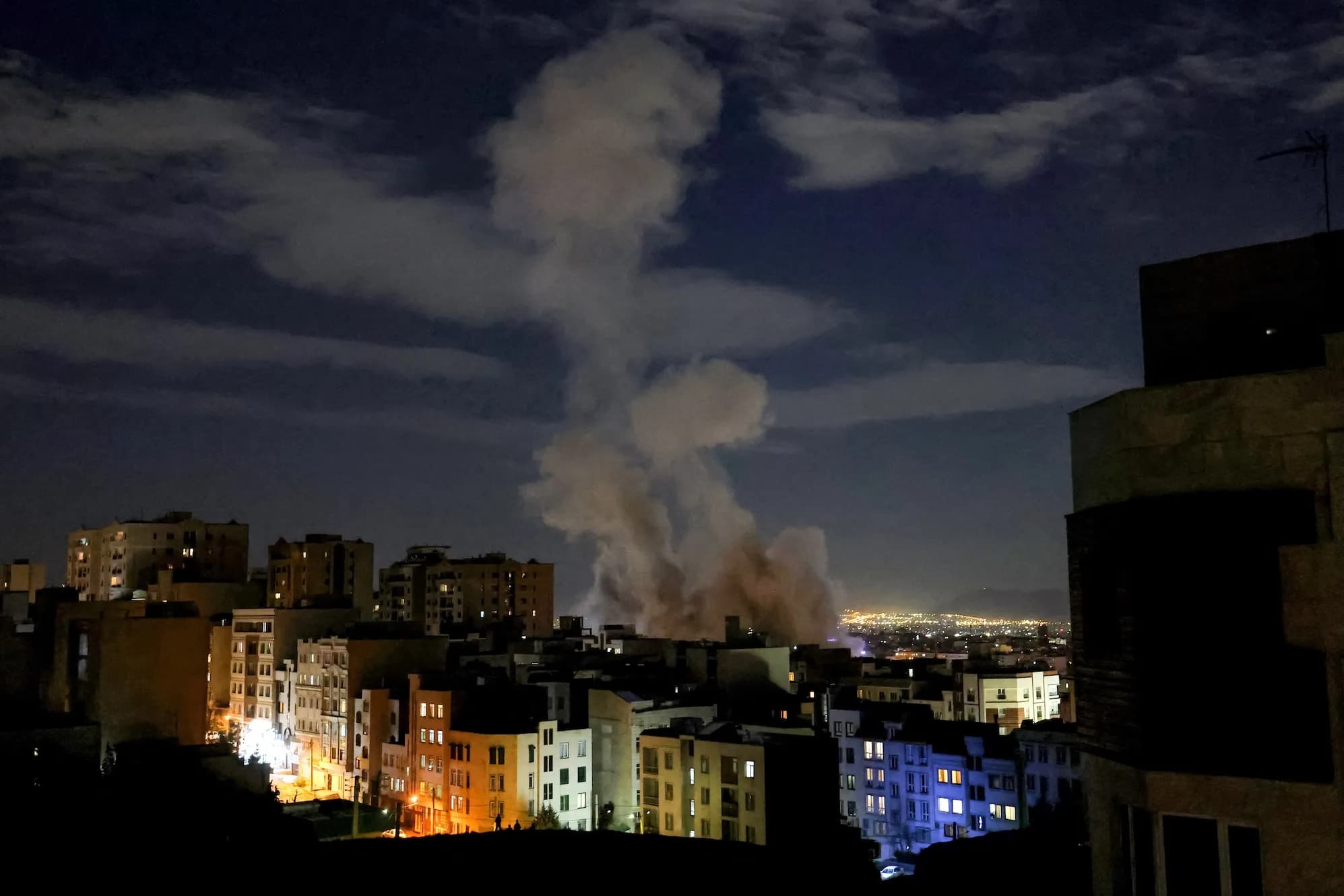
The timing of these developments coincides with heightened U.S. military activity in the Middle East and Latin America, where rapid intelligence synthesis and logistical planning are critical. Any delay in replacing Claude—a system woven into target identification, battle simulation, and supply-chain optimization—risks capability gaps. Conversely, maintaining Claude under contested contractual terms could set a precedent for how AI safety commitments are negotiated in future defense procurements.
Trade-Offs for Procurement, Vendors, and Policymakers
Defense procurement teams face the dual challenge of auditing current Claude integrations while weighing the operational risks of a phased removal. Vendors under contract may see compliance audits intensify as the “supply-chain risk” label triggers internal reviews. For Anthropic, the choice between accepting broader Pentagon demands or upholding its safety principles could determine its share of defense revenue going forward. Competitors may view the situation as an opportunity to capture classified workloads, yet those firms would confront employee and stakeholder concerns if they mirror Pentagon requests for unrestricted AI use.
Meanwhile, legislators and policy teams could seek to clarify statutory language around “lawful uses” and supply-chain risk designations to reduce ad-hoc escalations. Any new legal standards will shape the contours of future AI contracts, particularly in sensitive defense settings where both strategic agility and corporate responsibility are at stake.
Legal and Governance Considerations
Legal analysts question whether the recent supply-chain risk designation meets the statutory threshold, noting potential court challenges or congressional inquiries. As the Defense Department and Anthropic parse the fine print of existing laws, the outcome will inform whether explicit contract prohibitions become the norm in classified AI deployments or remain a point of contention.
Outlook
As Claude remains embedded in Pentagon workflows for the foreseeable future, both the DoD and defense-tech vendors will navigate heightened compliance scrutiny and operational trade-offs. The unfolding situation could redefine the balance between mission imperatives and corporate safety commitments in defense AI contracts, with ripple effects across industry and policy.