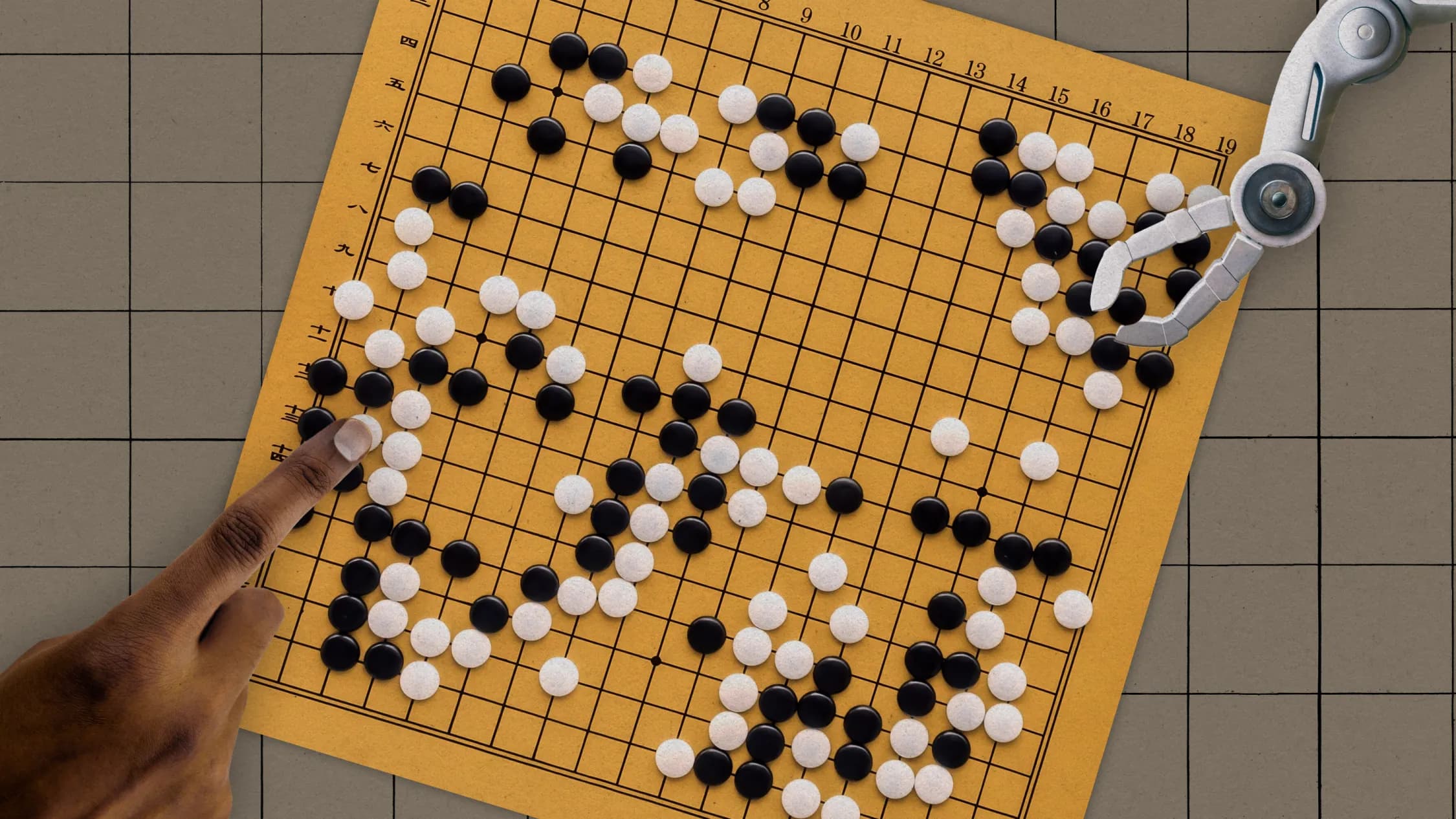
The opacity of AI coaching has supplanted explainable principles with move-level mimicry, reshaping professional Go’s training methods, player identities, and the governance structures that oversee competition. Open-source engines like KataGo now influence opening theory and tournament preparation so pervasively that top players’ moves align with AI recommendations in over a third of instances, according to a 2022 Korean Baduk League analysis. This shift has coincided with tighter opening scripts, new pathways to high-level play, and a set of institutional choices about transparency, creativity, and fairness.
The Shift from Principles to Move-Level Mimicry
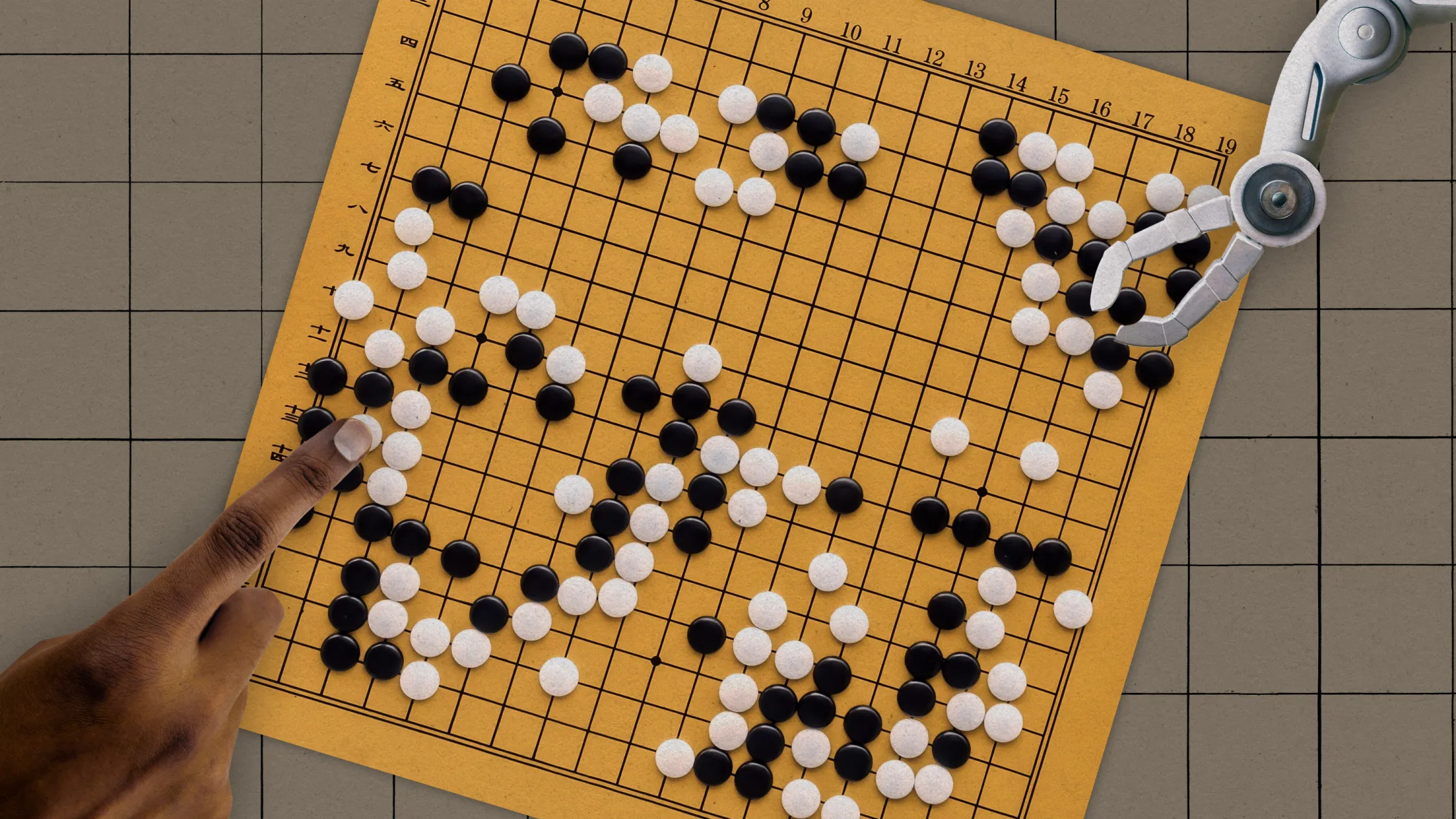
Since AlphaGo’s 2016 win and the emergence of AlphaGo Zero, AI analysis has evolved from a curiosity into an indispensable tool. Engines such as KataGo offer fast, granular outputs—win probabilities, point ownership estimates, and “blue-spot” suggestions—that professionals integrate directly into their preparation. Rather than learning human-readable concepts like “thickness” or “influence,” players often memorize AI-preferred sequences for the first 30 to 50 moves. That practice raises questions about whether competitive Go is being guided by opaque calculation rather than shared strategic paradigms.
Standardized Openings and Creative Homogenization
Studies report that many high-level games now open with sequences nearly identical to AI recommendations, narrowing the once-diverse frontier of first-move innovation. One 2022 study found that Shin Jin-seo’s moves coincided with AI suggestions 37.5% of the time, up from a reported baseline of 28.5%. This trend suggests a drift toward standardized opening theory, with potential consequences for spectator engagement. If surprise deviations become rarer, fans may miss the dramatic swings that once defined professional play.
Access and Agency in a Machine-Influenced Meta
At the same time, free or low-cost AI engines have lowered barriers for players outside traditional mentorship networks. Some observers note that a broader pool of contenders—including more women—has reached late stages of major tournaments in recent years, a development that AI access may have contributed to by democratizing high-quality analysis. Yet the reliance on move memorization can erode a player’s sense of agency: when strategic logic remains hidden, mastery feels more like replication than understanding.
Governance Trade-Offs and Institutional Choices
Faced with AI’s rapid integration, federations, coaches, and event organizers confront trade-offs. One option is to invest in interpretability research—encouraging engine developers to surface underlying concepts—so that human mentors can teach principles, not just moves. Alternatively, institutions might focus on format innovation, introducing handicaps or controlled-opening variants that incentivize human creativity within a machine-influenced meta. Broadcasters and sponsors could also choose to foreground narrative storytelling and mid-game turning points rather than early-game precision.
These institutional pathways are not mutually exclusive. Go communities may balance support for transparent AI tools with format experiments that preserve the drama of human decision-making. The pressing question is not whether AI will remain central—it already has—but how the Go world navigates the tension between opaque optimization and the game’s human meanings of discovery, identity, and competitive spirit.