Executive summary — a hardware spectacle with hidden costs
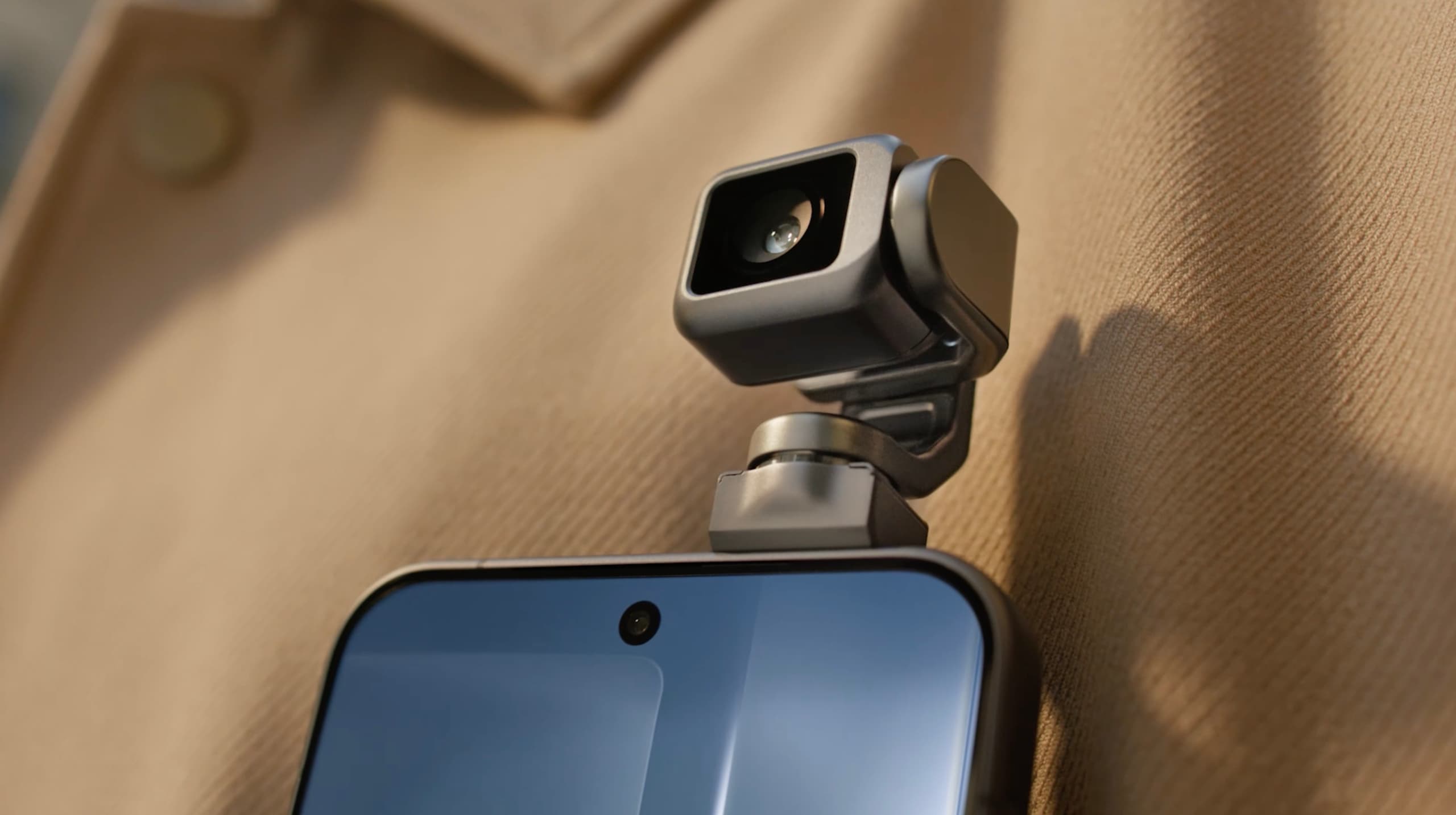
Honor’s public “Robot Phone” demonstration at Founders Summit 2026 in Boston showcased a mechanically dancing camera module set to music. This spectacle reveals a strategic pivot toward conspicuous mechanical hardware in smartphones—a move that reintroduces trade-offs around durability, cost, repairability, water resistance, and regulatory testing that computational innovations have largely sidestepped. For stakeholders evaluating next-generation devices, the central question is whether visible hardware drama can justify increased complexity and service burden compared to purely software-driven imaging advances.
Key takeaways
- The prototype’s dancing camera aims for shareable press moments rather than clear performance gains.
- TechCrunch reports no detailed specs on mechanism longevity, ingress protection, battery impact, or pricing.
- Mechanical motion introduces potential durability and certification challenges that could hinder broad enterprise or carrier adoption.
- Established alternatives—computational photography, fixed multi-camera arrays, periscope lenses—deliver imaging upgrades without moving parts.
- Stakeholders face unresolved questions about repair costs, warranty exposure, and real-world user benefits.
Breaking down the announcement
TechCrunch’s live-event report describes Honor’s prototype as a smartphone with a camera module that “dances” to music, powered by internal actuators. The company positioned this feature as a hardware marquee designed to attract attention at Founders Summit. Beyond the spectacle, however, the published notes lack any specification sheet, production roadmap, price point, or explicit claims that the motion delivers improved image stabilization or new photographic capabilities.
No comments from Honor executives or engineers have clarified whether the mechanism serves functional purposes—such as dynamic framing or gimbal-style stabilization—or exists purely as an eye-catching novelty. The absence of disclosed test data on cycle life, ingress protection, or average failure rates underscores that the offer remains at the proof-of-concept stage rather than a procurement-ready product.

Why this matters now
As incremental hardware upgrades in flagship phones yield diminishing returns, manufacturers are chasing visible features that generate media buzz and social-media engagement. Honor’s dancing camera is a deliberate theatrical gesture aimed at carving out a spotlight in a crowded market. Yet timing alone does not equate to technical viability or sustained user value.
Where computational photography and fixed multi-lens setups have quietly advanced image quality without compromising water resistance or repairability, mechanical modules resurrect a legacy of moving parts that once fell out of favor due to high failure rates and expensive service cycles. For procurement teams, carriers, and enterprise IT leaders, the reintroduction of motion hardware raises fresh cost-and-complexity considerations long minimized by software-centric improvements.

Capabilities, constraints and open questions
- Capabilities demonstrated: synchronized camera motion for demonstrative effect; unclear if motion improves stabilization, framing, or remains purely aesthetic.
- Undisclosed constraints: no data on mechanical lifespan (MTBF), water/dust ingress ratings, impact on device thinness or weight, battery-life penalties, or overall reliability metrics.
- Open technical questions: Is the module a true gimbal system with precision control, or a cosmetic actuator optimized for lightweight motion? What control interfaces or APIs will developers have, if any? At what cycle count does the mechanism begin to degrade?
- Certification unknowns: without demonstrated drop-test results or ingress protection certifications, mechanical modules could fail key electromagnetic compatibility or environmental tests required by carriers and regulators.
Competitive and market context
Motorized pop-up selfie cameras and rotating flip modules briefly captured headlines in 2018–2020, notably on devices from Vivo and Oppo. Those early designs often incurred high failure rates and created service headaches, leading the industry to favor periscope lenses and advanced sensor-fusion techniques. Brands like Samsung, Apple, and Google have since relied on computational photography, high-resolution sensors, and stabilized periscopes to push imaging capabilities without motors.
Honor’s dancing module diverges from this mainstream path by leaning fully into mechanical spectacle. If the mechanism proves robust and quantifiably enhances scenarios such as low-light stabilization or dynamic framing, it could carve out a niche premium tier. Absent such proof points, however, competitors are likely to double down on software features—night-mode enhancements, AI-driven autofocus, and on-device image processing—that offer perceived value at lower risk.

Risks and governance considerations
- Durability and warranty exposure: moving parts historically elevate repair rates and warranty claims, leading to higher RMA risk and service overhead.
- Serviceability and cost: new actuator modules demand distinct spare-part inventories, specialized tooling, and technician training, increasing maintenance complexity.
- Regulatory and safety testing: mechanical assemblies typically require additional drop-test, vibration, and ingress-protection assessments, which can delay certification and raise compliance costs.
- Privacy and public scrutiny: visible camera motion in shared or workplace environments could prompt new questions about data capture, device monitoring, and user consent.
Implications for stakeholders
- For product leaders, Honor’s approach signals a renewed emphasis on hardware theatrics that may drive initial hype but could complicate long-term roadmaps without supporting durability metrics.
- Enterprise procurement teams face uncertainty around fleet reliability and service-partner readiness until cycle-life and ingress data are disclosed by vendors and carriers.
- Carriers and service operators will encounter certification and warranty risks if mechanical modules enter large-scale deployment without proven test results and clear maintenance protocols.
- Development partners considering API integration or value-added applications must evaluate whether mechanical motion yields developer-centric features that justify investment or remains a superficial marketing flourish.
Conclusion
Honor’s Robot Phone “dancing camera” demonstration marks a bold return to mechanical showpieces in a smartphone era dominated by computational photography. While the prototype underscores the allure of tangible hardware differentiation, it simultaneously reopens a set of trade-offs—durability, repairability, certification complexity, and total cost of ownership—that many industry players believed had been largely settled. The ultimate test will be whether Honor or its peers can substantiate real-world imaging benefits and mechanical resilience at scale, or whether motion-driven spectacles revert to the periphery of flagship device design.