Executive summary – what changed and why it matters
Thesis: By embedding Gemini’s Canvas into Google Search, Google has shifted generative-AI creative tools from niche, opt-in experiments into everyday search interactions, lowering the activation cost for nontechnical users and moving operational, security, and compliance considerations into the mainstream Search context.
Substantive change in detail
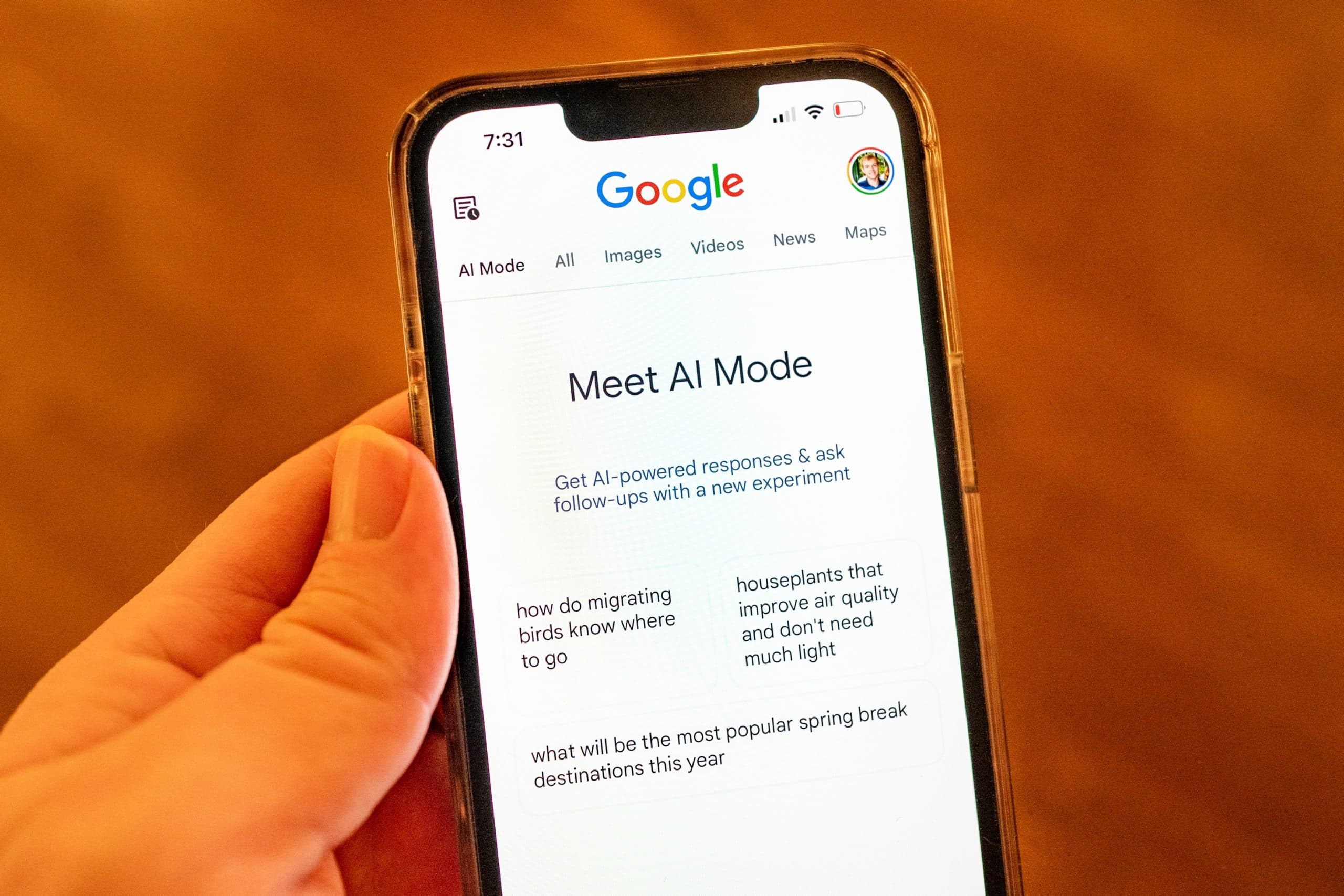
On or around March 4, 2026, Google rolled out Canvas in AI Mode for all US English users of Google Search, according to primary reporting from TechCrunch and secondary references to an unlinked Google blog post. Users who enable AI Mode in Search’s interface now see a “+” tools menu that offers Canvas alongside other AI features. From that side panel workspace, a user can start a new project by typing a free-form request (for example, “draft a product one-pager”) or by choosing from prebuilt templates tailored to writing, coding, or ideation tasks.
Previously confined to Google Labs tests throughout 2025 and gated behind the standalone Gemini app with paid subscription tiers (Gemini Pro/Ultra, 1M-token context), Canvas in Search requires no separate signup or subscription. This marks a substantive shift: what began as a limited creative prototype has been moved into Search’s mainstream traffic funnel, which processes billions of queries daily.
Expanded reach and lowered barrier to entry
Search’s global distribution channels now encompass Canvas. Any US English user who toggles AI Mode can spontaneously launch a generative-AI workspace without switching apps, creating an on-ramp that did not exist for nontechnical users prior to this rollout. Based on Search’s existing user base, Canvas is likely to receive orders of magnitude more exposure than in-app experiments or preview-only Labs settings.

- Activation friction reduced: no subscription requirement or separate app download.
- Integrated context: web search results and Knowledge Graph facts flow directly into the workspace.
- Multi-platform access: available via desktop web, Android, and iOS clients.
Immediate operational and compliance implications
By moving Canvas into Search’s side panel, Google brings model outputs into an environment that already routes queries across enterprise networks, branded domains, and third-party integrations. Organizations are likely to observe new traffic patterns as end users experiment with ad hoc prototypes—ranging from marketing copy drafts to quick code snippets—triggered by informational queries that previously ended at search result pages.
- Discovery funnel shifts: ordinary search queries such as “plan a sprint backlog” may now convert directly into Canvas sessions, altering click-through-rate and time-on-site analytics.
- Operational surface area expansion: content policy enforcement, code-security reviews, and IP ownership workflows are exposed to model outputs generated in Search without an explicit sandbox environment.
- Compliance exposure: data retention and privacy policies for artifacts created within Canvas remain undocumented publicly, prompting likely inquiries from legal and compliance teams.
Evidence gaps and risk qualifiers
Although multiple secondary sources reference a Google blog post confirming the rollout, no official release notes on Google Search Central or Gemini developer pages had been published as of March 5, 2026. Independent performance benchmarks for latency, accuracy, and code-execution safety remain unavailable. Early-adopter sentiment is also unreported: targeted searches across Reddit, X (formerly Twitter), and specialized forums yielded no clear usage or feedback signals immediately following the launch.

In the absence of verifiable user metrics, organizations relying on Canvas for critical workflows may encounter uncertainty around reliability and scale. Reports conflict on a single June 2025 announcement date, but March 2026 aligns with broad reporting. This leaves a timeline gap that may complicate internal change-management decisions.
Governance and security considerations
Canvas’s integration of Search results and Knowledge Graph content into generative outputs introduces new provenance and plagiarism risks. Model-generated text or code that references external sources may lack inline citations, raising potential misinformation concerns. Code snippets produced in this environment could bypass established Static Application Security Testing (SAST) or linting pipelines if end users copy them directly into repositories.
- Injection and dependency risks: unvetted code fragments might introduce security vulnerabilities when merged into production.
- IP and ownership questions: generated content that draws on indexed web pages could blur copyright boundaries if repurposed without review.
- Data retention ambiguity: Canvas’s backend storage policies for user-created artifacts are not yet documented publicly, creating compliance uncertainty.
Competitive context
Google’s move differentiates Canvas in Search from standalone chat-first interfaces offered by OpenAI and Anthropic. ChatGPT automatically surfaces related features and context within its web UI, while Claude’s Artifacts feature integrates model-built content with a user’s private workspace. In contrast, Canvas requires explicit selection within Search’s menu, signaling Google’s preference for structured, user-driven workflows over fully conversational experiences. This approach leverages Search’s web signals and existing index rather than isolating users in closed-data contexts.

Enterprises evaluating creative-AI platforms may now weigh the benefits of Search-embedded tools—such as contextual relevance and low activation cost—against the risks of deferring governance controls to a consumer-facing product. Meanwhile, Microsoft’s integration of Copilot into Bing and the pending release of Copilot+ in Office 365 illustrate a broader industry trend toward embedding generative AI into everyday productivity and discovery tools.
Likely organizational responses
- Security teams are likely to expand monitoring to capture Canvas-driven traffic and flag unreviewed code injections.
- Legal and compliance functions may initiate reviews of data retention, IP ownership, and export-control policies for AI-generated artifacts.
- Product analytics groups are expected to adjust event-tracking schemas to distinguish Canvas sessions from traditional search queries.
- IT and developer-relations teams may pilot small-scale trials of Canvas-based workflows to assess latency, accuracy, and integration opportunities before wider rollout.
What to watch next
- Official documentation updates: Google Search Central or Gemini release notes clarifying rollout scope, supported languages, and data policies.
- User-generated feedback: early posts on social platforms and app store reviews highlighting usability challenges or privacy concerns.
- Independent performance reports: benchmarks on response time, code quality, and content reliability under varying load conditions.
- Competitive announcements: feature launches from OpenAI, Anthropic, and Microsoft around search-integrated creative experiences.
Bottom line
The integration of Gemini’s Canvas into Google Search transforms a once-limited creative sandbox into a mainstream discovery channel, lowering access barriers for nontechnical users and routing generative-AI outputs through established search infrastructures. This shift introduces new operational, security, and governance considerations directly into Search-driven workflows and is likely to prompt increased scrutiny from product, security, and compliance teams.