What changed – and why it matters
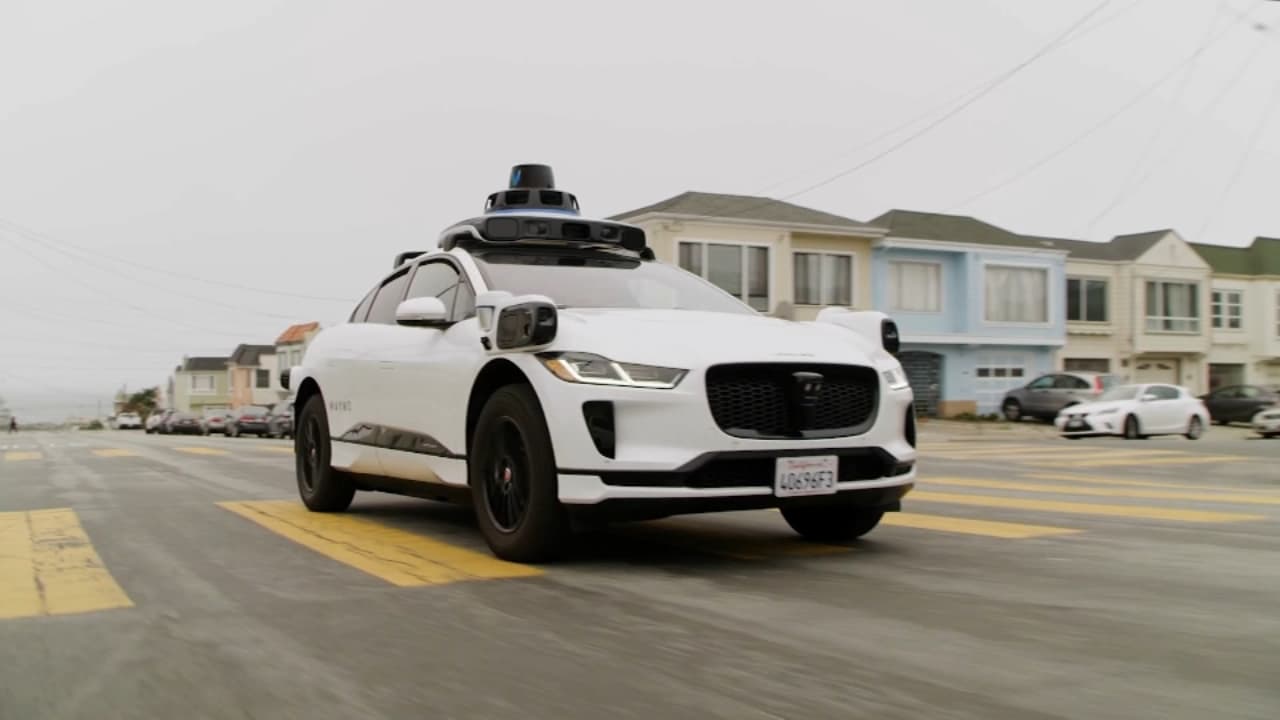
Waymo has started autonomous vehicle testing in Philadelphia and is collecting driving data in Baltimore, St. Louis and Pittsburgh, pushing its robotaxi footprint past 20 U.S. cities. The company also expanded freeway rides in Los Angeles, Phoenix and the San Francisco Bay Area and is targeting one million weekly rides by the end of 2026. That scale matters: it turns localized pilots into system‑level operations with higher regulatory, safety and commercial stakes.
- Impact in two sentences: Waymo is moving from localized pilots to broad regional scale – more cities, more freeway miles, far higher data throughput and operational complexity. Faster scale increases learning speed but also concentrates regulatory and liability risk.
Key takeaways for executives and product leaders
- Scale: footprint now exceeds 20 cities; freeway operations extended in three major metros; goal of 1M weekly rides by 2026 implies rapid fleet and ops expansion.
- Data & cost: urban deployments demand new HD maps, months of mapping drives, and continuous cloud/edge model updates – expect multi‑million dollar per‑city up‑front and ongoing costs.
- Regulatory focus: expansion follows recent school‑bus incidents that have increased scrutiny; local regulators may impose more stringent evidence, audits, and operational constraints.
- Competitive context: Waymo’s closed‑fleet, LiDAR‑centric approach contrasts with Tesla’s camera/fleet‑learning model and Cruise’s similar city‑centric strategy; each has different risk/procurement profiles.
Breaking down the announcement
Operationally, adding Philadelphia and data collection in nearby mid‑sized cities is not just more driving hours. It requires fresh HD maps, new simulation scenarios for local edge cases, updated traffic models for school zones and construction, and expanded cloud training capacity. Waymo’s freeway expansions (LA, Phoenix, Bay Area) increase risk exposure at higher speeds and change insurance and incident response requirements.
Quantitatively: achieving one million weekly rides by end‑2026 means scaling both vehicle count and utilization. If each vehicle averages 50-100 rides/week (conservative for robotaxis), Waymo would need 10k-20k active vehicles — implying sizable capital, ops staff, and maintenance scaling within two years.
Technical and operational realities
- Mapping and data: Manual mapping drives, LiDAR point clouds, and continuous map updates for dynamic elements (temporary signage, construction) are prerequisites. Expect months of mapping per city before driverless service.
- Compute & software: On‑vehicle edge compute must handle LiDAR, radar, and cameras in real time; models are trained in the cloud and validated in large‑scale simulation—iteration velocity drives safety improvements.
- Costs & timelines: Early city onboarding can cost low‑single to low‑double million dollars for mapping, training, permits and staffing. Ongoing testing and ops add multi‑million annual run rates per market.
- Governance: Regulators will demand documentation, incident records, and may require third‑party audits after high‑profile incidents. Public disclosure and stakeholder engagement become procurement factors for cities.
Competitive fit and when to choose/avoid adoption
Waymo is suited to cities and partners that prioritize safety evidence, operational controls, and predictable behavior driven by LiDAR and curated maps. If a buyer wants rapid cost‑reduction via fleet data from consumer cars (camera‑first), Tesla’s approach may be attractive but carries different regulatory friction. Cruise and other closed‑fleet rivals are closer operational substitutes; procurement decisions should weigh transparency, auditability, and local permit readiness.
Risks and governance to watch
- Regulatory tightening: Local agencies could add speed limits, geofencing, or delay approvals after incidents — budget for slower rollout.
- Liability & insurance: More freeway miles and dense urban tests raise severity of potential crashes; insurers will seek higher premiums or tighter operational constraints.
- Public trust: School‑bus and pedestrian incidents erode acceptance — proactive communication and transparent metrics are essential.
Recommendations — who should act, and now
- City procurement and transport leaders: Require third‑party safety audits, phased proof‑points (mapping → monitored AV → driverless), and clear incident reporting SLAs before permitting.
- Insurers & fleet partners: Reassess policy terms for freeway exposure and urban testing; require telemetry and post‑incident data access clauses.
- Enterprise adopters (logistics, mobility partners): Pilot in narrowly defined zones with performance KPIs tied to safety outcomes; avoid wholesale procurement until independent audits are available.
- Product teams building AV systems: Prioritize simulation coverage for local edge cases (school zones, double‑parked buses), invest in continuous map pipelines, and prepare for regulator data requests.
Bottom line: Waymo’s Philadelphia move accelerates the shift from experiments to systemic robotaxi operations. That increases learning velocity and commercial potential — but it also concentrates regulatory, safety and liability risk. Executives should treat this phase as an inflection point: demand independent evidence, redesign procurement to include governance gates, and prepare insurance and ops for higher‑severity exposure.