Executive summary – what changed and why it matters
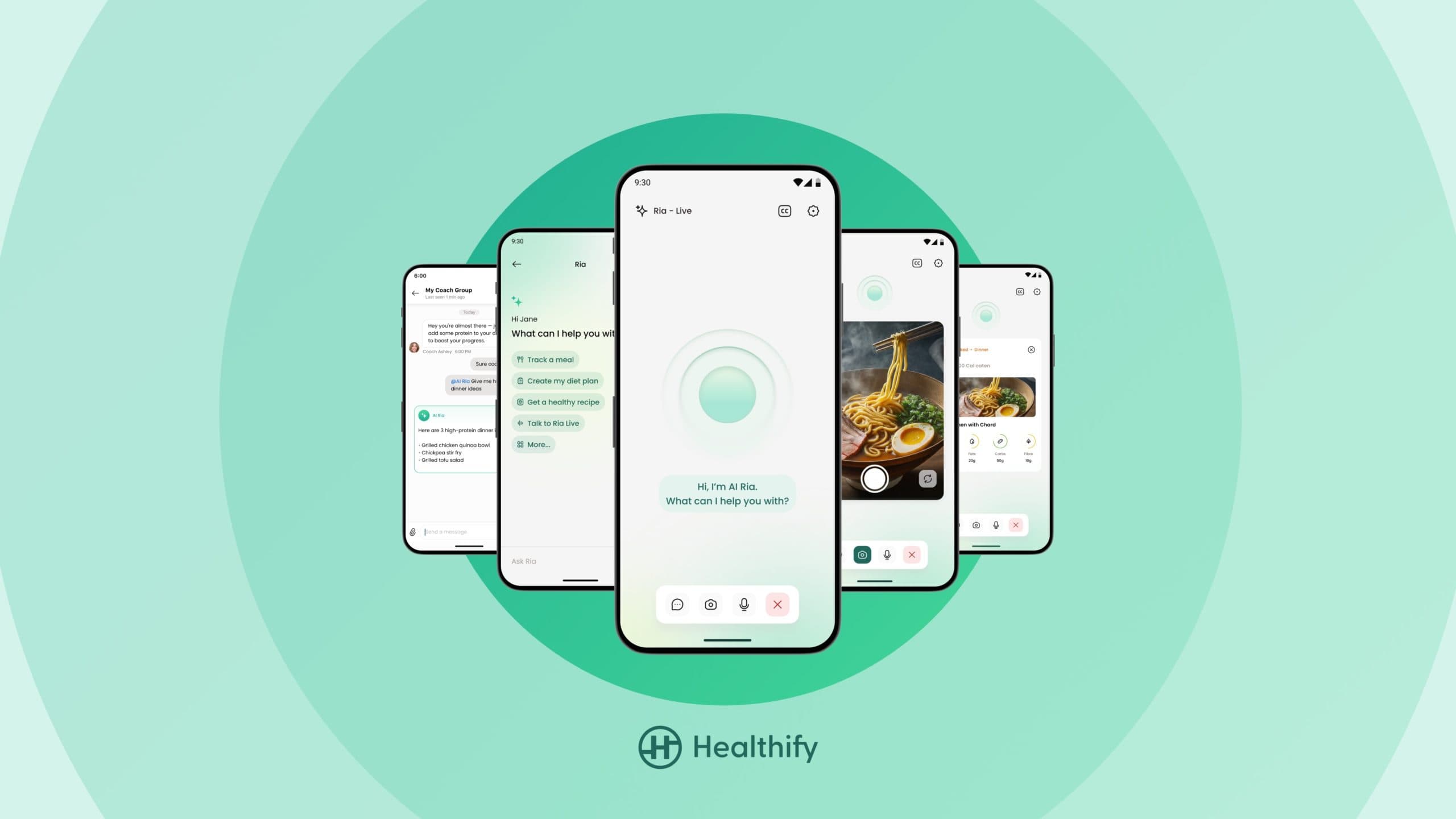
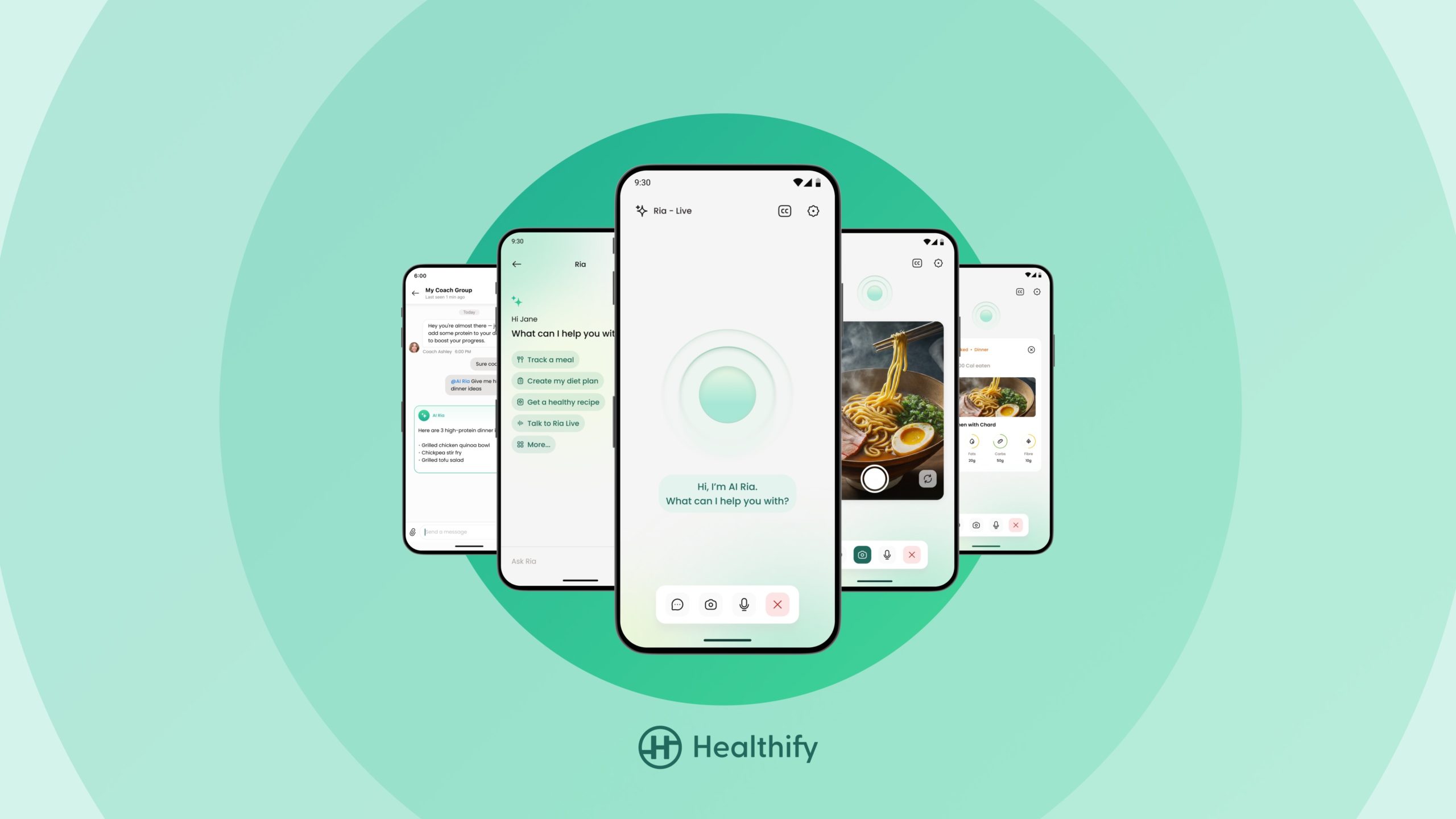
Healthify upgraded its AI assistant Ria from text-first support to a multimodal, conversational coach: live voice, camera-based food recognition, cross-device demos (Ray‑Ban Meta), support for 50+ languages (including 14 Indian languages and mixed-language input), and a persistent memory layer. It runs on OpenAI models today, aggregates fitness, sleep and glucose data, and will be central to a new $20/month U.S. AI plan and onboarding flow.
- Substantive change: Ria moves from passive text responses to an always-available multimodal assistant that can log food via camera or voice, synthesize tracker data, and remember long-term user context.
- Immediate business impact: Aims to increase daily logging and retention, create a higher-value U.S. product tier at $20/month, and enable device and clinical partnerships (GLP‑1 programs).
Key takeaways for executives and product leaders
- Adoption lever: Conversational onboarding and multimodal logging lower friction for logging meals and workouts, which typically drives retention and coach-driven revenue.
- Monetization: New U.S. AI plan priced at $20/month targets paying users; Healthify already has 45M registered and a few million MAUs to convert.
- Platform risk: Heavy dependency on OpenAI models creates supply, cost and provenance concerns; Healthify signals potential to swap models later.
- Regulatory/ops risk: Health data aggregation, coach integrations, and medical advice claims increase compliance complexity (HIPAA, FTC, state medical boards).
- Competitive posture: Differentiators are persistent memory, coach call transcription, and wide language support versus Alma, Cal AI, MyFitnessPal and Ladder.
Breaking down the capabilities and limits
Capabilities: Live voice conversations, camera-based food recognition with gallery scanning, mixed-language input (e.g., Hinglish), pulling from fitness trackers, sleep trackers and glucose monitors for exercise/sleep/readiness insights, transcription and data access during coach calls, and a persistent memory layer trained on years of coach‑user conversations.
Numbers to anchor expectations: 50+ languages (14 Indian), 45M registered users, “a few million” MAUs, and a $20/month U.S. tier. The prototype Ray‑Ban Meta demo shows cross-device real‑time capture, but production latency, battery and network constraints will matter for real-world use.
Limits and unknowns: Healthify relies on OpenAI models today – no published SLA, cost-per-call, or fine-tuning/validation metrics were disclosed. Food recognition and nutrition estimation accuracy, especially for mixed dishes and portion sizes, are not quantified. The persistent memory raises questions about retention windows, opt‑out controls, and downstream usage of stored health context.
Why now – market and tech context
Advances in multimodal AI make it practical to combine structured tracker streams with unstructured conversation and images, lowering user friction for logging. At the same time, subscription-first health startups are hunting for repeatable engagement hooks that justify paid plans and coaching upsells. Healthify’s move mirrors broader trends: in-app assistants (Google Gemini Live Conversation), voice/image logging (Alma, Cal AI, MyFitnessPal), and coach augmentation.
Risks and governance considerations
- Privacy & compliance: Aggregating trackers and transcribing coach calls creates HIPAA‑adjacent risk in the U.S. — encryption, consent logging, and data residency must be explicit.
- Clinical safety: Glucose and medication-related guidance can trigger regulatory scrutiny; guardrails, escalation to clinicians, and provenance for any medical advice are essential.
- Model failures: Hallucinations or incorrect nutrition estimates can erode trust and create liability; robust validation against ground truth and human-in-the-loop review are required.
- Vendor concentration: Heavy use of OpenAI exposes Healthify to pricing, capacity or policy changes; diversify model providers and maintain an internal validation stack.
Competitive angle — where Ria wins and where it doesn’t
Wins: Strong multilingual support and coach-integration, persistent memory for long-term personalization, and aggregated tracker inputs differentiate Ria for global and coach-led users. The Ray‑Ban demo signals an ambition for hands-free capture that few competitors have shown.
Shortfalls: Absent validation metrics and clear privacy guarantees, Ria risks being another polished UX without enterprise-grade compliance. Competitors focused on clinical integrations or FDA pathways may outflank Healthify for medical use cases.
Recommendations — who should act and how
- Product execs: Pilot Ria’s multimodal onboarding with a segmented cohort; measure lift in DAU, logging frequency, and coach conversions before broad rollout.
- Privacy & legal: Define data residency, retention policy for persistent memory, explicit consent flows for call transcription, and HIPAA assessments for U.S. deployment.
- Clinical ops: Create escalation rules and human verification for glucose and medication-related suggestions; log provenance for every clinical recommendation.
- Engineering: Build vendor-agnostic inference paths, cost telemetry for OpenAI API usage, and an internal validation dataset for food recognition and nutrition estimation.
Bottom line: Healthify’s Ria is a pragmatic, product-focused step into multimodal, conversational health coaching that can raise retention and revenue if Healthify nails privacy, accuracy and vendor strategy. Executives should treat this as a product-market experiment with measurable KPIs, not a finished platform — and plan governance controls before scaling.