Executive summary – what changed and why it matters
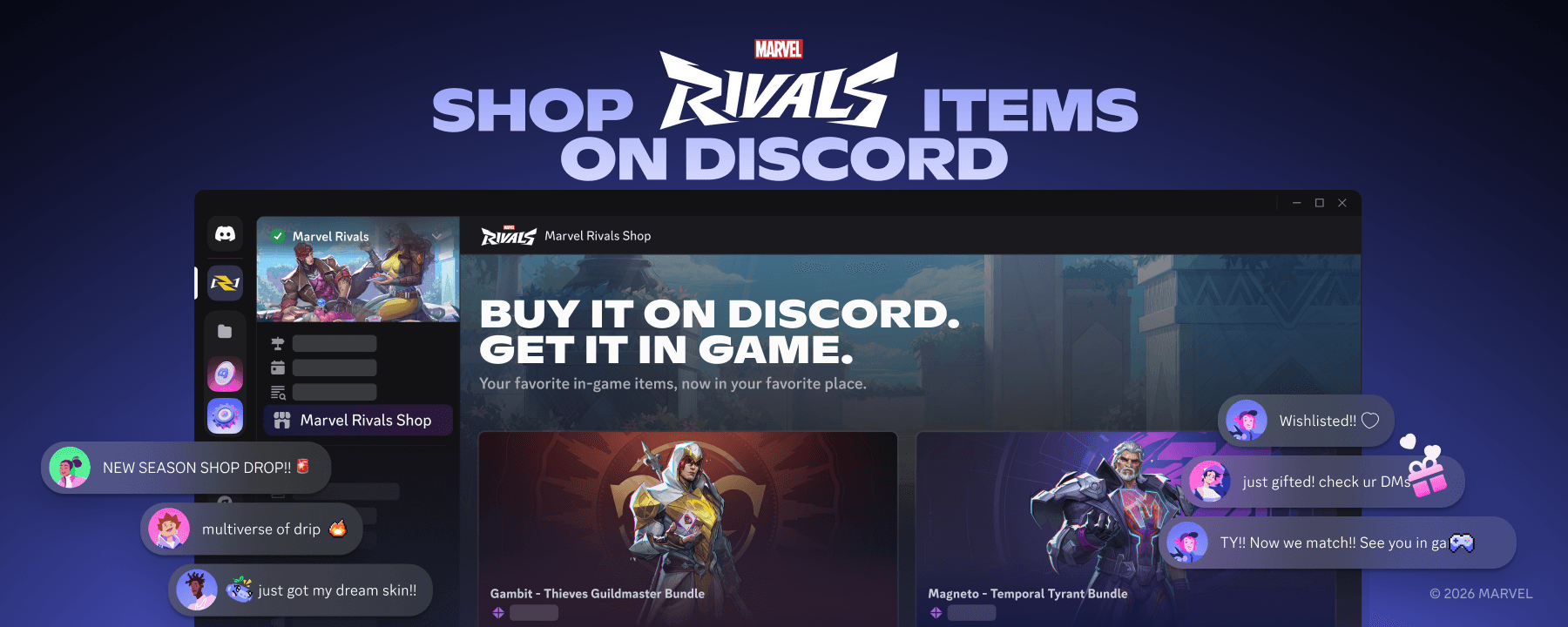
Discord launched native in‑platform commerce for in‑game digital items: store pages, wishlists, inline purchase links in chat, and DM gifting. The feature, shipping first with Marvel Rivals and tied to the new Social SDK, lets players buy bundles, cosmetics and emotes without leaving Discord (desktop, select markets). For operators and product leaders this shortens purchase funnels, creates a new direct revenue channel for developers, and gives Discord a clearer path to monetization ahead of an IPO-while introducing measurable compliance, moderation and operational costs.
Key takeaways
- Substantive change: purchases and gifting of in‑game items now happen entirely inside Discord (desktop, initial markets).
- Early metrics (Marvel Rivals, reported): 48% higher engagement time, 35% higher conversion vs external links, gifts = 20% of volume.
- Developer impact: 4-8 week integration for mid‑sized games via the Social SDK; Discord charges a transaction fee (percentage undisclosed).
- Risks: payments compliance, chargebacks, parental consent for minors, fraud and moderation burden; region rollout will be phased.
- Strategic angle: accelerates Discord’s monetization and could reshape where social discovery converts to payment-pressure for competitors to embed commerce.
Breaking down the announcement
Discord announced the Social SDK at GDC 2025 and paired it with commerce APIs that let developers publish product catalogs to official Discord servers. Users can view item pages, add things to Wishlists, buy directly with credit card/PayPal/Discord Wallet credits, and gift via DM. The first real‑world test partner, Marvel Rivals, reportedly reached 10 million players in 72 hours and used Discord commerce to reach its 4 million‑member server.
Discord frames this as a friction reduction play: removing the “leave Discord → open store → authenticate → purchase” steps should raise conversion and impulse buys. Reported uplift examples: 35% better conversion versus external store links and 48% longer engagement time in communities where commerce is available. Those are vendor‑reported numbers and useful as directional evidence; expect variation by title and community maturity.

Technical and integration specifics
Integration path for studios is explicit: embed the Social SDK in the game client for account linking and presence, configure commerce catalogs in Discord’s developer portal, and wire purchase/gift redemption endpoints to your backend. Discord estimates 4-8 weeks for mid‑sized titles. There are no upfront SDK fees, but Discord takes a per‑transaction cut (undisclosed). Desktop support is available now in select markets; mobile and global rollout are planned later in 2025.
Operational needs: secure account linking, synchronized item availability with game servers, sandbox testing for purchase flows, and dashboards to monitor sales, chargebacks, and fraud. Studios must also implement server moderation controls and configure parental purchase limits where relevant.
Market context and competitive implications
This move puts Discord in direct competition with platform-native stores and social channels that drive commerce (Epic, Steam storefront integrations, platform overlays). The unique advantage is Discord’s social graph—wishlists and gifting in chat can turn community signals into purchases faster than a storefront link. For console‑first publishers, platform restrictions (Sony/Microsoft policies) will limit reach. For PC and cross‑platform titles with active Discord communities, the integration reduces funnel loss.
Risks, governance and compliance
Key governance issues include payments compliance, VAT/tax handling across jurisdictions, consumer refund rights, fraud detection, and handling minor purchases. Discord says it complies with GDPR/CCPA and offers parental controls, but teams must verify local laws (digital goods rules differ across EU, UK, Brazil, etc.). Gift abuse and chargebacks will increase moderation workload; studios must budget for fraud ops and legal review.
Actionable recommendations
- For studios with large Discord communities: run a pilot. Prioritize integration if your community drives discovery and social gifting matters (4-8 week engineering estimate).
- For product and monetization leads: design exclusive time‑limited Discord offers and test pricing—reporting suggests exclusive items drive server activity.
- For legal/compliance teams: audit tax, refund and age‑verification obligations now; request Discord’s merchant terms and chargeback policies before going live.
- For ops and trust & safety: prepare moderation playbooks for gifting abuse, fraud patterns, and chargeback handling; allocate monitoring resources.
- If you rely on console marketplaces or have thin Discord engagement: wait for mobile rollout and clarified fee terms before committing engineering effort.
Bottom line: Discord’s in‑platform commerce turns community engagement into a direct monetization channel with real reported uplifts, but it also shifts operational and compliance responsibilities to studios. Early adopters with active servers stand to benefit fast; others should evaluate fee economics and regulatory impacts before integrating.