Executive summary – what changed and why it matters
This week’s mobility headlines show a clear inflection: Waymo is expanding both manual and driverless testing across dozens of U.S. cities and into London and Tokyo, Tesla cleared a final Arizona ride‑hailing permit, and Zoox opened early rider access in San Francisco. Collectively those moves accelerate public exposure to robotaxis, but they do not yet guarantee mass adoption or business viability.
- Waymo added manual testing in Minneapolis, New Orleans and Tampa and plans wider deployments in 2026 across 12+ U.S. cities while already operating commercially in Atlanta, Austin, Los Angeles, Phoenix and San Francisco.
- Tesla secured an Arizona ride‑hailing permit – a key regulatory gate for its robotaxi play – and Zoox began early rider programs in San Francisco.
- Capital dynamics remain volatile: Monarch Tractor faces potential shutdown despite raising >$220M; other startups raised meaningful rounds (Point One $35M, Autonomy $25M, Turing ~¥15.3B).
Key takeaways for leaders
- What changed: The pace of public robotaxi exposure just increased materially; more cities and more entrants make user awareness inevitable.
- What doesn’t change: Cost, regulation, and local network effects remain the gating factors for scale and profitability.
- Risk spotlight: Cash burn and legal exposure still topple promising players (Monarch Tractor reminder).
- Opportunity: City-level pilots and ecosystem partners (mapping, precise GNSS like Point One) will determine who captures downstream value.
Breaking down the announcement — numbers and timelines
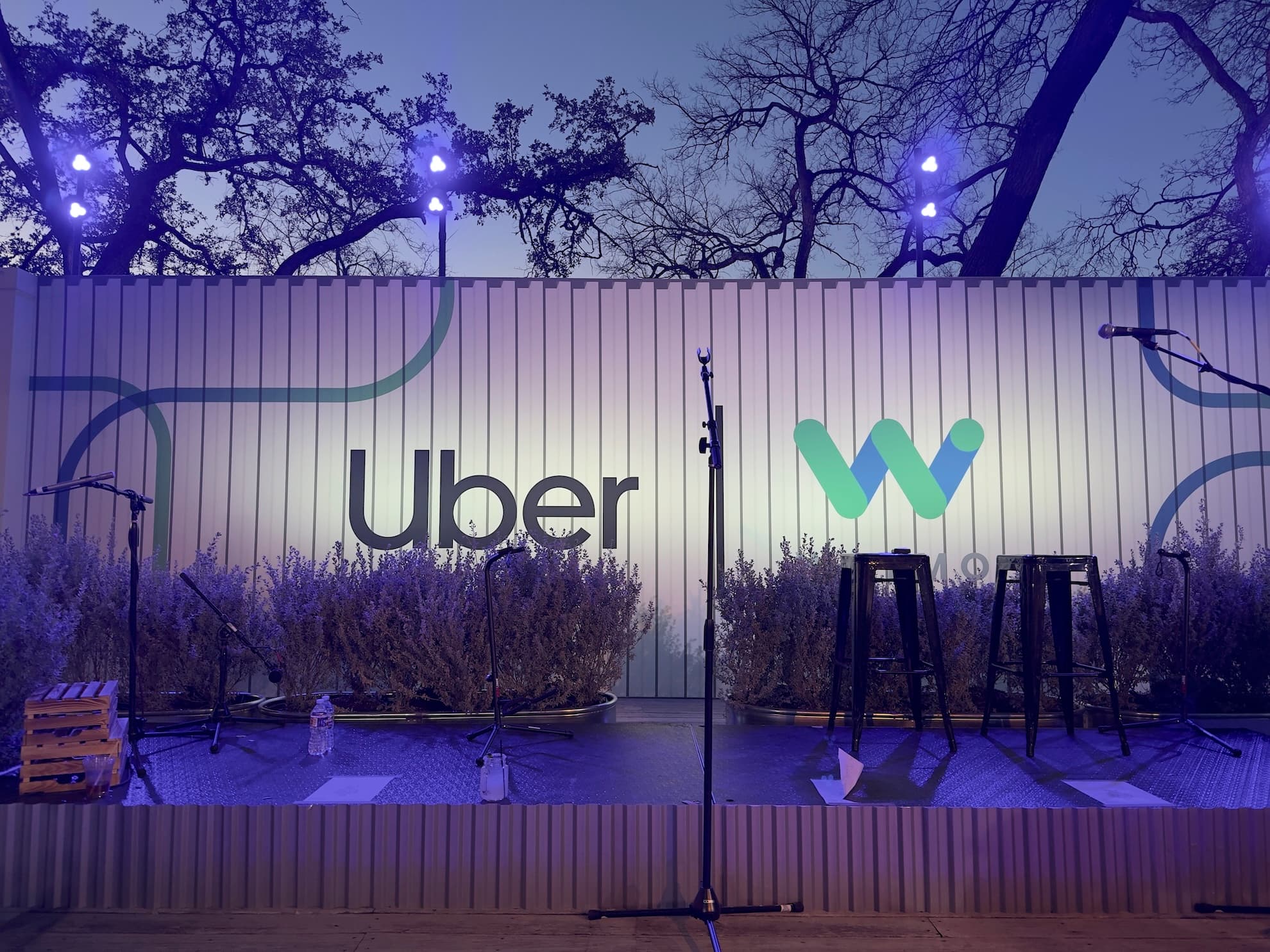
Waymo’s expansion is the biggest single programmatic shift: manual driving will start next year in Minneapolis, New Orleans and Tampa as a precursor to driverless operations. The company lists planned 2026 rollouts in Dallas, Denver, Detroit, Houston, Las Vegas, Miami (where it has already removed safety drivers), Nashville, Orlando, San Antonio, San Diego, Seattle and Washington, D.C. Waymo already runs commercial services in five U.S. metro areas and is testing in New York City; it plans international commercial rides in London and Tokyo.
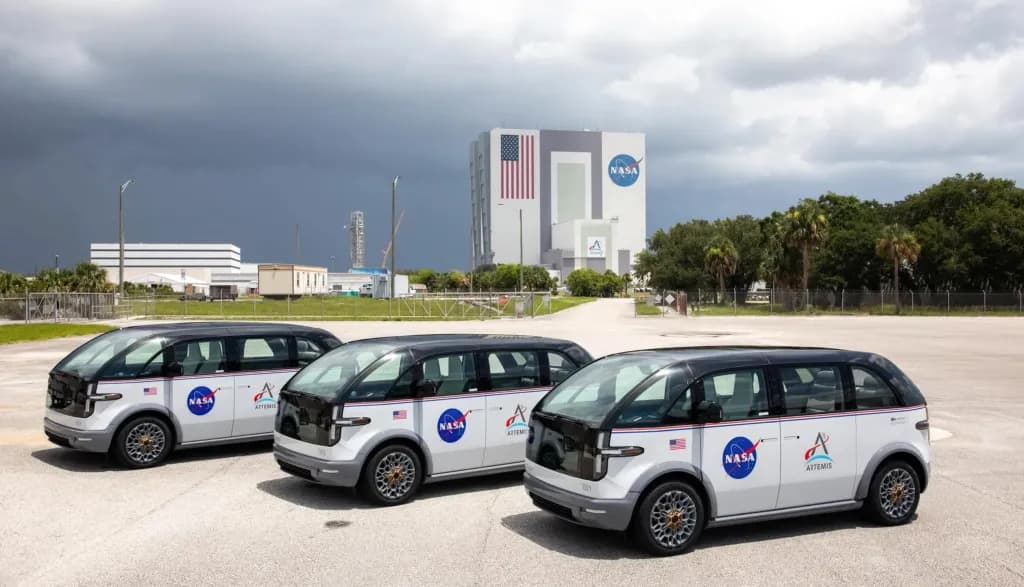
Tesla’s Arizona permit removes a regulatory barrier for its robotaxi service in that state, and Zoox’s early rider access in San Francisco starts exposing consumers to its custom, bidirectional vehicles. These three players represent different technical and business approaches: Waymo’s fleet-scale, instrumented program; Tesla’s retrofit FSD, camera‑centric model; and Zoox’s bespoke vehicle plus software stack.
Funding and failure — what the capital picture says
Funding is mixed. Notable raises include Point One Navigation’s $35M Series C (post‑money ≈ $230M), Autonomy’s $25M to expand its subscription fleet beyond Tesla, and Japan’s Turing raising ~¥15.3B (~$97.7M). Pionix (€8M) and Sortera (combined $45M equity+debt) also raised. But Monarch Tractor’s internal memo signals potential layoffs of 100+ employees or a shutdown despite at least $220M raised historically — a clear reminder that capital is necessary but not sufficient.
Why we’re not at a tipping point — three concrete barriers
- Geography: Tipping requires saturation in socially influential and non‑tech‑centric metros (dense Southeast/East Coast cities and mid‑tier Midwest markets). San Francisco alone won’t shift mainstream behavior.
- Competition: Multiple operators in the same markets are needed to drive prices down and diversify business models; dominance by a single operator slows consumer adoption and ecosystem formation.
- Ecosystem spillover: Startups and service industries (maintenance, precise localization, charging, fleet ops) must scale around robotaxis to reduce operating costs and support new value chains.
Compliance and safety — live risks to watch
Regulatory approvals remain fragmented across states and cities; Tesla’s Arizona permit is significant but not universal. Safety reporting and legal exposure are escalating—Tesla has been criticized for FSD reporting gaps, and Monarch faces warranty litigation alleging tractors “unable to operate autonomously.” Expect more suits and local regulatory pushback as deployments expand.
Competitive angle — who benefits and who loses
Waymo’s fleet expansion benefits mapping and sensor suppliers and spurs demand for precise positioning and operations tech (Point One is an example). Tesla’s permit signals potential market entry for lower‑capex retrofit approaches. Legacy OEMs and dealers face mixed impacts: Amazon and Ford moves show OEMs still pursue online retail and partnerships while supply disruptions (e.g., Novelis plant fires affecting Ford) add operational risk.
Recommendations — what executives should do now
- Prioritize city selection for pilots: focus on dense, non‑tech metros where behavior change matters most (Southeast and East Coast mid‑sized cities).
- Invest in ecosystem partners: secure vendors for precise localization, mapping, charging and fleet ops to lower ops cost and de‑risk launches.
- Engage regulators early and build transparent safety reporting: inconsistent approvals and legal exposure are the biggest adoption blockers.
- Monitor cash and contract risk among suppliers and partners; factor bankruptcy or warranty litigation into continuity plans.
Bottom line: public exposure to robotaxis is accelerating and that matters for product planning, urban strategy and competition. But scale economics, regulatory acceptance, and an entrepreneurial ecosystem still need to align before we hit the structural tipping point that changes how people move.