AI Sorting Just Crossed the Profitability Threshold for Aluminum Recycling
Sortera says its AI-driven system can classify shredded automotive aluminum into specific alloy grades in roughly 10 milliseconds per piece with over 95% accuracy. That level of precision allows high-throughput, bin-by-bin sorting without melting-turning low-value mixed “twitch” into auto-grade feedstock with a meaningful price uplift. The company reports its first plant in Indiana is cash-flow positive and has raised $45 million (equity and debt) to replicate the operation near Nashville, Tennessee as soon as April-May.
This matters because alloy-level sorting at speed has been the missing link for scaling recycled aluminum into automotive. Recycling aluminum typically uses around 5% of the energy of primary production, but quality uncertainty has kept most post-consumer scrap from returning to high-spec applications. If Sortera’s performance generalizes, automakers could secure more low-CO2 aluminum without relying solely on “clean” stamping scrap.
Key Takeaways for Operators
- Material impact: >95% alloy identification accuracy is the economic tipping point-each percentage point above 90% materially improves margin via reduced contamination and rework.
- Throughput: ~10 ms per “chip” plus air-jet ejection enables 24/7 lines moving “millions of pounds per month,” according to the company. Real output will hinge on belt width, chip density, and ejection yield.
- Expansion: $20M equity and $25M debt (plus equipment financing) funds a Tennessee clone of the Indiana plant, signaling the model is asset-financeable.
- Automotive pull: OEMs are increasing aluminum content; alloy-specific recycled feedstock supports weight reduction and CO2 targets without compromising mechanical properties.
- Risks: Model drift across variable scrap streams, calibration, radiation safety for XRF, and verifiable grade certification remain critical diligence items.
Breaking Down the Technology
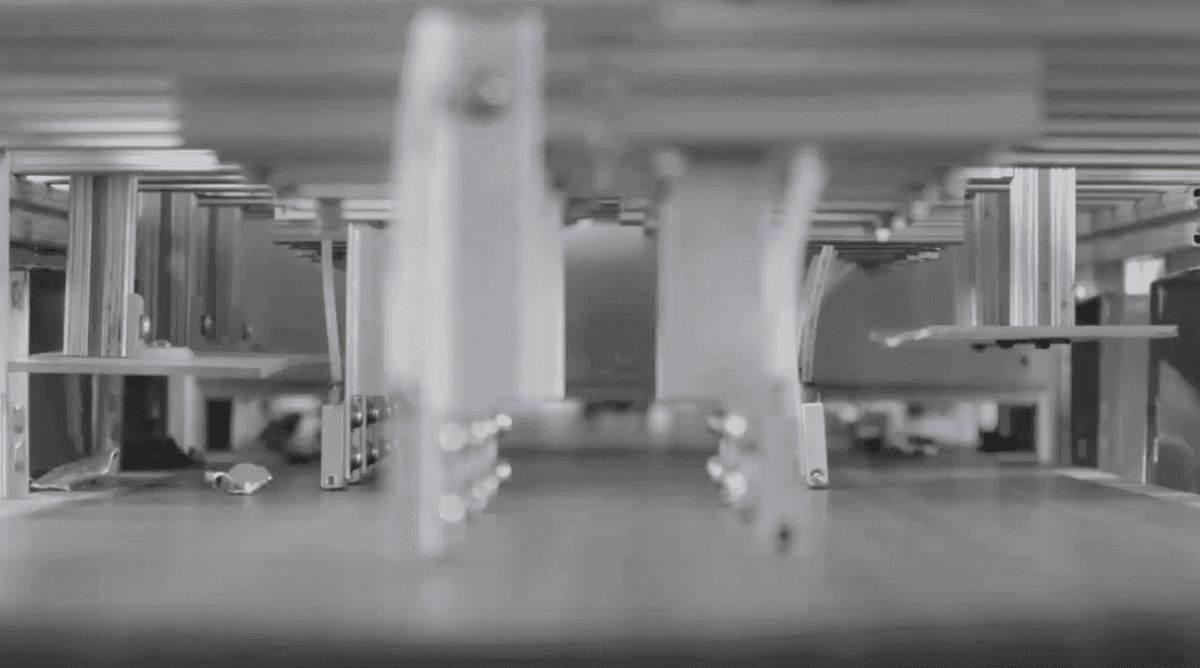
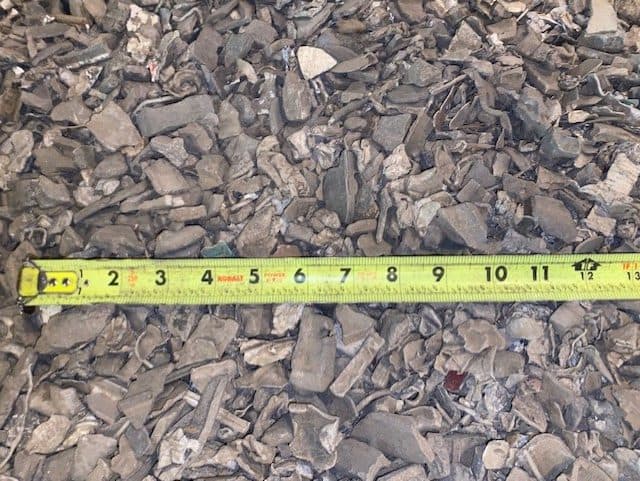
Sortera’s line fuses multiple sensors-lasers, X-ray fluorescence (XRF), and high-speed cameras—with an AI model to classify each fragment (described as “potato chip”-sized) into alloy grades. Chemistries manifest in the shredding behavior: cast vs. wrought alloys tear and fold differently, providing visual cues that complement elemental readings. When the model decides, a timed burst of air flips the piece into the target bin.
Why this is different: Conventional recyclers often melt first to assay alloy content, then blend to spec—a slower, energy-intensive path that depresses value for mixed scrap. Sensor-based sorters exist (e.g., eddy-current, density, X-ray), but consistent alloy-level resolution at high belt speeds has been elusive. If Sortera reliably hits >95% precision for common automotive grades (e.g., 3xx cast, 5xxx/6xxx wrought), the margin uplift versus selling mixed twitch can be substantial for both scrap processors and foundries.
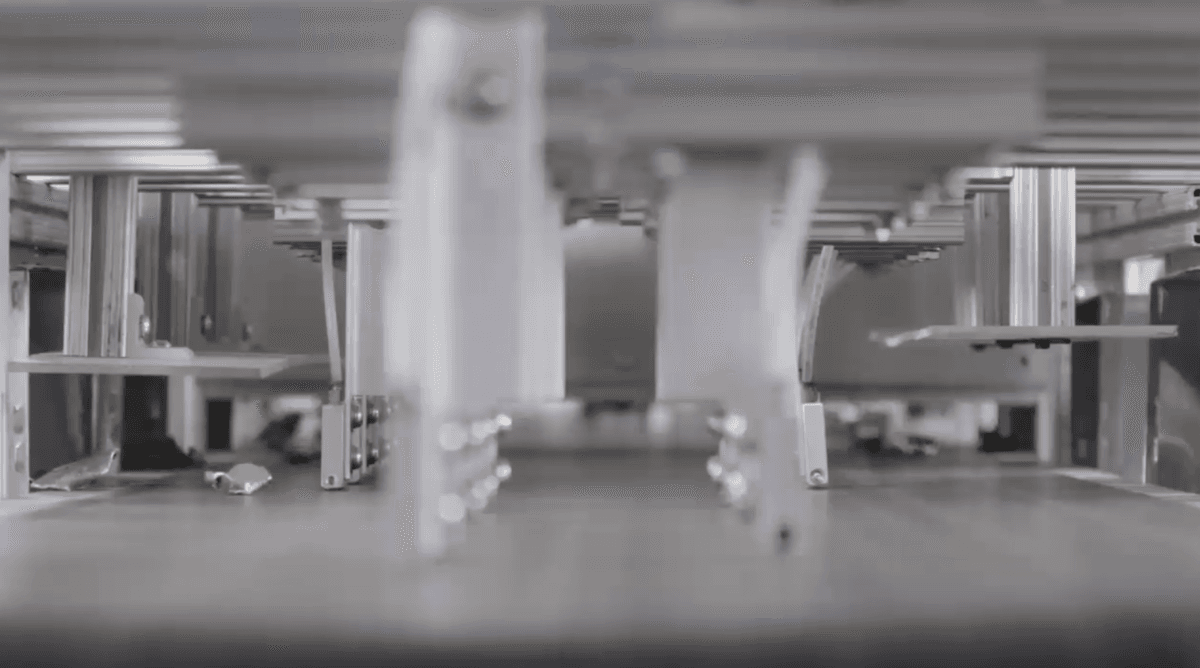
Back-of-envelope throughput: At 100 decisions per second (10 ms each), if an average chip weighs ~5 grams, that’s ~0.5 kg/sec or ~1.8 metric tons/hour. A 24/7 line would process ~1,300 tons/month. Actual systems often run multiple lanes and wider belts; the company’s “millions of pounds per month” claim fits this order of magnitude. The constraint is less inference speed than mechanical ejection windows and maintaining low false ejection rates at high occupancy.
Industry Context: Why Now
Automakers are pushing recycled content to hit embodied carbon targets while aluminum usage in vehicles grows for weight reduction. Clean stamping scrap already feeds closed-loop systems; the next unlocked pool is post-consumer shred from end-of-life vehicles. Historically, inconsistent composition confined this stream to lower-value applications. Multi-sensor AI sorting, if scalable, converts that variability into a predictable feedstock usable in castings and potentially wrought applications after remelt and adjustment.
Competitive angle: Global players (e.g., TOMRA, STEINERT) offer advanced X-ray and sensor-based sorters, and major aluminum producers run proprietary lines. Sortera’s pitch is chip-level grade classification and end-to-end control delivering automotive-grade bins at commercial throughput. Buyers should benchmark against existing sensor-sort lines and blended-melt approaches on cost per ton, upgrade percentage, and spec conformance.
Caveats and Due Diligence
- Verify accuracy claims in your feed: Demand third-party Gage R&R across representative scrap mixes, including contamination (paint, sealants) and seasonal variability.
- Grade certification: Require sampling plans, melt assays, and traceability to demonstrate conformance to target alloy windows and impurities (Fe, Cu, Mg) at scale.
- Operational robustness: Inspect calibration schedules, sensor drift controls, nozzle maintenance, dust and fire suppression (NFPA), and OSHA/ANSI machine guarding.
- Radiation and compliance: XRF systems carry specific safety, training, and regulatory obligations; confirm licensing and procedures.
- Market realism: The statement about “instantly sorting 18 billion tons annually in the U.S.” is likely a magnitude error. Request transparent plant capacity in tons/hour and utilization assumptions.
What This Changes for Buyers and Operators
For shredders and scrap processors, alloy-grade bins mean higher average selling prices and more stable offtake. For foundries, tighter incoming variability can reduce melt corrections, fluxing, and dross losses. For automakers, the prize is low-CO2 recycled aluminum at proven grade, enabling more castings and structural parts without compromising performance. If Sortera’s Tennessee plant replicates Indiana’s economics, expect copy-and-paste deployments clustered near auto supply chains.
Recommendations
- Automotive procurement: Run a 3-6 month qualification with statistically significant lots. Lock conditional offtake tied to mechanical properties and chemistry windows, not just grade labels.
- Scrap operators: Model ROI under multiple accuracy and uptime scenarios; negotiate revenue-share structures that align incentives for purity and yield.
- ESG and quality teams: Build chain-of-custody and EPDs for recycled aluminum; implement routine melt assays and digital traceability to support Scope 3 claims.
- Operations leaders: Audit safety (XRF, dust combustion, guarding), spare parts for sensors/nozzles, and predictive maintenance for cameras and air valves to protect uptime.
Bottom line: The combination of multi-sensor AI, chip-level actuation, and demonstrated unit economics could shift recycled aluminum from opportunistic to programmatic supply in automotive. The upside is real—provided accuracy, throughput, and certification hold up under your specific feedstock and production constraints.