What Changed – And Why It Matters
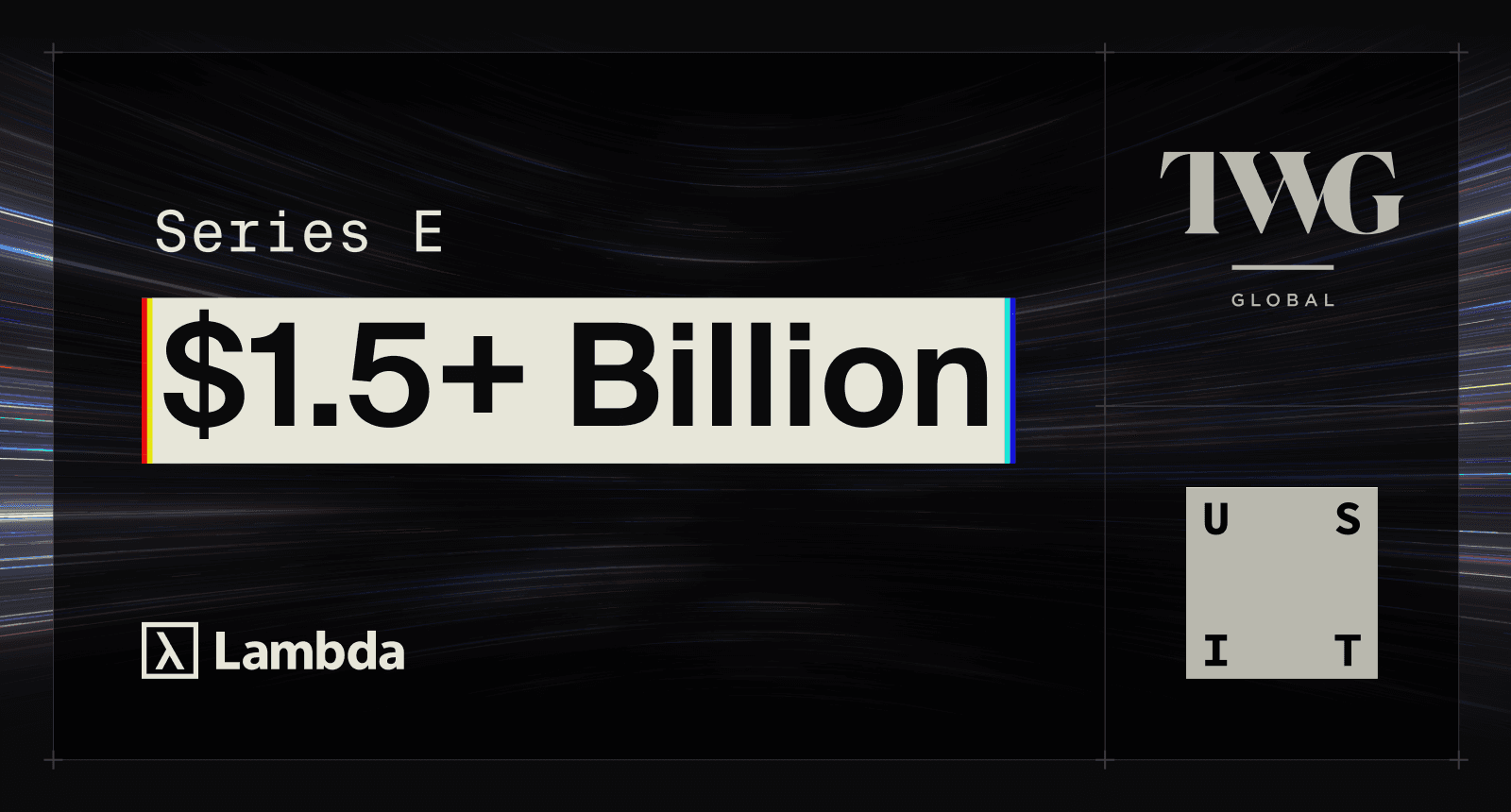
AI data center operator Lambda raised $1.5 billion in a round led by TWG Global, shortly after securing a multi‑billion GPU capacity deal with Microsoft. The cash accelerates Lambda’s buildout of “AI factories” – GPU‑dense data centers – positioning it as a direct alternative to CoreWeave for hyperscalers and large enterprises. For operators, this could modestly improve near‑term access to Nvidia H100 capacity and diversify supply, but it won’t automatically lower prices given continued GPU scarcity and power constraints.
Key Takeaways
- $1.5B fuels rapid deployment of tens of thousands of Nvidia GPUs (primarily H100), with Blackwell on Lambda’s roadmap.
- Microsoft’s multi‑billion offtake validates Lambda’s model and diversifies Redmond’s external GPU supply beyond CoreWeave.
- Nvidia’s participation signals early access potential — but architecture transitions (Hopper to Blackwell) add operational risk.
- Expect reservations and take‑or‑pay contracts to dominate; broad price relief is unlikely while hyperscalers absorb capacity.
- Scrutinize SLAs, data locality, and multi‑tenant isolation; compliance posture will determine enterprise fit.
Breaking Down the Announcement
The raise was led by TWG Global, with sovereign and strategic capital signaling a long‑horizon bet on AI infrastructure. The timing — immediately after Lambda’s multi‑billion GPU deal with Microsoft — suggests the offtake contract underpins both financing and near‑term capacity planning. Lambda’s “AI factories” are purpose‑built facilities emphasizing high‑density GPU clusters, advanced liquid cooling, and low‑latency network fabrics suitable for distributed training and large‑scale inference.
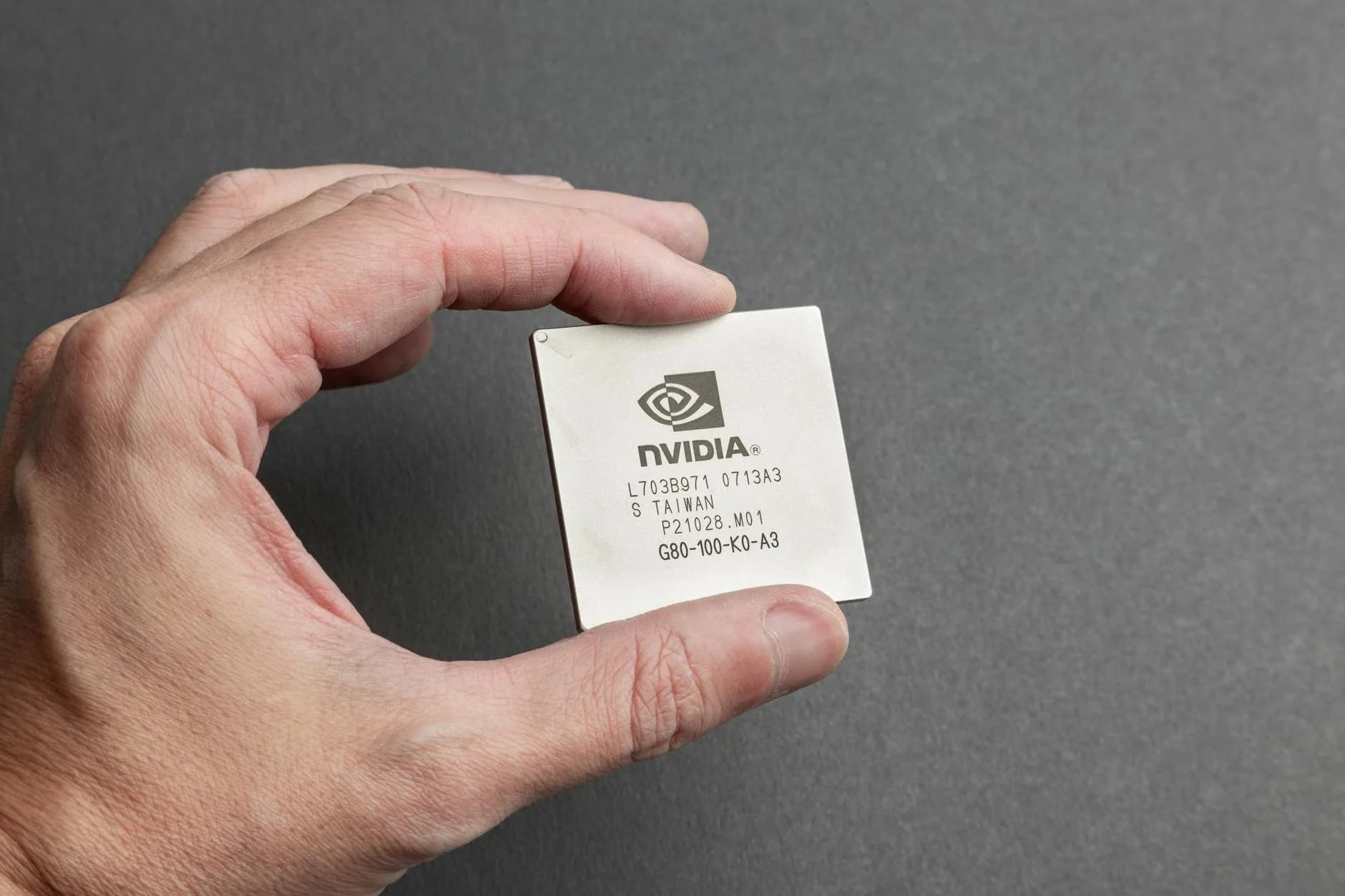
On hardware, Lambda is centered on Nvidia H100s (80GB HBM3, NVLink/NVSwitch interconnects, and FP8 throughput in the 1,000+ TFLOPS range) and is positioning for Blackwell. In practice, customers should expect cluster configurations ranging from hundreds to several thousand GPUs, with tightly coupled networking for large language model training and high‑throughput storage backends.
Market Context and Competitive Angle
Microsoft has been spreading risk across multiple GPU cloud operators. Previous public deals with CoreWeave, combined with this Lambda agreement, reduce single‑supplier exposure and increase bargaining power. For buyers, the emergence of a credible second supplier at hyperscaler scale is the real story: it can improve lead times and flexibility, even if it doesn’t collapse prices.
The competitive set now includes Lambda and CoreWeave for specialized GPU cloud, alongside hyperscalers (AWS, Google Cloud) and a handful of scaled independents. Differentiation hinges on four things: (1) ability to deliver large, contiguous GPU pools on short notice; (2) interconnect performance at cluster scale; (3) power availability and facility readiness; and (4) contract flexibility for rapidly changing model roadmaps.
Technical and Operational Realities
Lambda’s pitch is simple: contiguous, high‑bandwidth GPU clusters for training and low‑latency inference at scale. The operational reality is less simple. Power and cooling for GPU‑dense racks remain the gating factors; even with funding, substation and liquid‑cooling timelines can run long. Early capacity often goes to anchor tenants (here, Microsoft), constraining on‑demand supply for everyone else. If you need guaranteed access, plan for 12-36 month reservations with take‑or‑pay terms.

- Architecture: Verify NVLink/NVSwitch topologies, oversubscription ratios, and east‑west bandwidth within and across racks.
- Storage: Confirm aggregate I/O throughput and hot/cold tiering; LLM training starves without sustained bandwidth.
- Scheduling: Ask about job preemption, queue times, and support for PyTorch, TensorFlow, and distributed training frameworks.
- Isolation: For sensitive workloads, request bare‑metal or single‑tenant clusters; validate MIG policy and GPU passthrough isolation.
- Supportability: Define incident response SLAs, spare parts strategy, and mean‑time‑to-repair for failed GPUs and switches.
Risks and What to Watch
- Capacity allocation: Early buildouts may be heavily committed to Microsoft; confirm what’s available for your timeline.
- Pricing dynamics: With demand outpacing supply, expect limited on‑demand capacity and premium pricing; reservations help but lock you in.
- Blackwell transition: New silicon brings performance gains and driver maturity risks; avoid day‑one migrations for mission‑critical jobs.
- Data governance: Validate data center locations, certifications (e.g., ISO 27001, SOC 2), data retention, and egress controls for regulated data.
- Vendor concentration: If you standardize on Nvidia via a single operator, plan a contingency across at least two providers.
Fit by Use Case
- Large‑scale training (hundreds to thousands of H100s): Strong fit if you need tightly coupled clusters and predictable scheduling.
- Latency‑sensitive inference at scale: Feasible where low‑latency fabrics and high availability SLAs are proven.
- Burst experimentation: Less ideal unless you can tolerate queue times; consider smaller committed pools with prioritized burst.
- Regulated workloads: Possible with dedicated clusters and clear compliance evidence; require contractual guardrails.
Recommendations
- Run a two‑supplier strategy: Pilot Lambda alongside an incumbent (CoreWeave, a hyperscaler, or another specialist) to benchmark throughput, queue times, and failure recovery.
- Reserve capacity aligned to your model roadmap: Lock in the cluster sizes you’ll need for the next 12-24 months, with step‑up options and clear penalties for changes.
- Negotiate SLAs and transparency up front: Define GPU availability, preemption rules, cluster contiguity, repair SLAs, and true all‑in pricing (compute, storage, networking, egress).
- Segment workloads by risk: Keep R&D and non‑sensitive inference on shared clusters; use single‑tenant or bare‑metal for proprietary data and safety‑critical models.
- Plan for Blackwell without betting the farm: Validate frameworks and kernels, run A/B perf tests, and schedule migrations after ecosystem stability is proven.
Bottom line: Lambda’s $1.5B raise, reinforced by Microsoft’s offtake, makes the GPU supply picture incrementally better — and competition with CoreWeave sharper. Treat it as an opportunity to secure capacity and resiliency, not a promise of cheaper compute.