Executive summary – what changed and why it matters
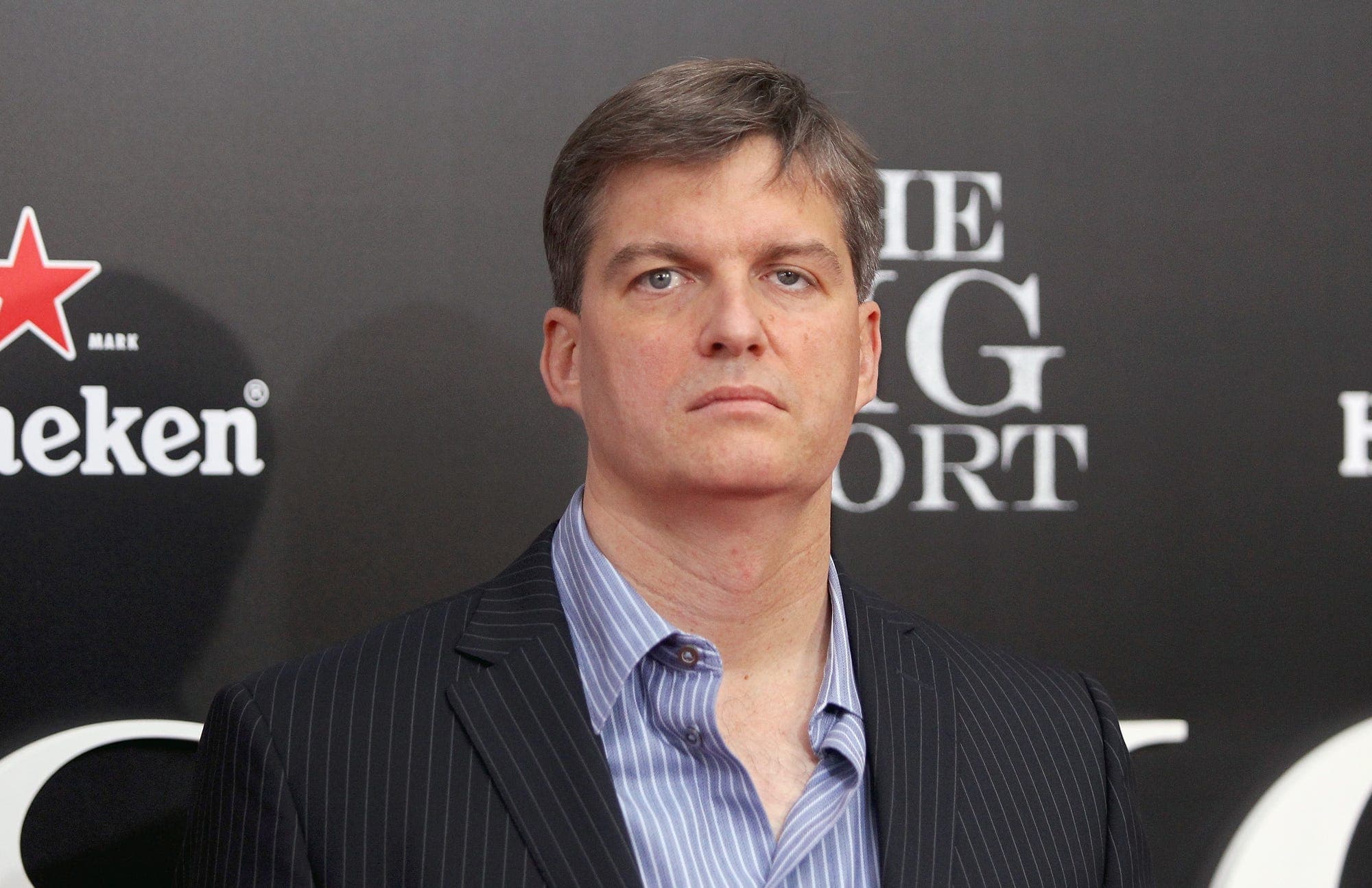
Michael Burry has gone from an occasional critic to an active catalyst: he deregistered his firm, launched a paid Substack with ~90,000 subscribers, and is publicly shorting Nvidia via put options (reported exposure >$1 billion across Nvidia and Palantir). Those steps make his critique – that Nvidia’s stock‑based compensation, accounting choices, and customer financing are overstated – a live market force. If enough investors accept his narrative, it could create a confidence‑driven sell‑off that materially impacts AI hardware pricing, procurement, and valuations down the stack.
- Substantive change: a high‑profile investor with significant short exposure and an unfiltered media channel is explicitly agitating for a collapse in Nvidia’s stock.
- Quantified stakes: Nvidia market cap ≈ $4.5 trillion; Burry cites $112.5B in stock‑based compensation (Nvidia counters with a $91B buyback correction).
- Immediate risk vector: loss of confidence → forced selling → liquidity stress for leveraged counterparties and GPU buyers.
Key takeaways for executives and product leaders
- Market risk is now narrative‑driven: a credible short seller can accelerate a re‑rating even if core fundamentals are unchanged.
- Supply and pricing volatility for GPUs could rise quickly if buyers hesitate or convert orders to cancellations.
- Downstream AI firms are exposed via inventory, contract terms that assume continuous GPU price declines, and dependent valuations tied to compute availability.
- Regulatory and disclosure risk increases: claims about accounting and depreciation invite scrutiny from auditors and regulators.
Breaking down the claims and the rebuttal
Burry’s public case centers on three allegations: (1) Nvidia’s stock‑based compensation has been massive (Burry’s $112.5B figure), (2) customers are overstating GPU useful lives to smooth capex, and (3) demand is circularly financed. Nvidia’s investor‑relations memo disputed Burry’s math (saying his inclusion of RSU taxes inflates the figure and citing a $91B buyback metric) and rejected comparisons to Enron, saying compensation is peer‑consistent.
These are specific, quantitative claims. They’re not anonymous rumor—they’re public, trackable, and now amplified by a paid newsletter Burry says is his “sole focus.” That changes the cost‑benefit for investors deciding whether to probe Nvidia’s accounting and customer behavior.
Why now — timing and leverage
Two dynamics matter: Nvidia’s rapid ascent (≈12x since early 2023) and Burry’s new unregulated megaphone. He deregistered Scion, removing investor communications constraints, then launched “Cassandra Unchained” with a $400 yearly sub and immediate traction. Combine that with sizable put positions and you get a classic confidence‑attack mechanism: high visibility + leverage + a claim set that invites audit.
Possible scenarios and their operational impacts
- Contained pushback: Nvidia’s disclosures and strong sales keep confidence intact — outcome: short‑term volatility but no fundamental shock.
- Confidence‑led sell‑off: sustained negative narrative triggers margin liquidations and order cancellations — outcome: GPU price drops, supply chain pain for OEMs, repricing of AI startups.
- Regulatory/audit escalation: auditor queries or SEC reviews lengthen visibility windows and cause multi‑quarter uncertainty — outcome: delayed partnerships and procurement freezes across enterprises.
Competitive and historical context
Short sellers have previously accelerated collapses (Jim Chanos on Enron, David Einhorn on Lehman). That does not prove causation, but it shows how a credible critic alters investor behavior. Compare Nvidia to peers: unlike commodity chipmakers, Nvidia’s pricing power is tied to AI software ecosystems (OpenAI, Microsoft). A disruption here reverberates beyond semiconductor manufacturing to cloud providers and AI service margins.

Recommendations — who should act, and how
- CFOs and procurement leads: run 30/60/90‑day stress tests on GPU contracts, reassess cancellation and price‑adjustment clauses, and model scenarios where GPU prices fall 20-50% within weeks.
- AI product leaders: prioritize compute‑portable architectures and validate multitarget compatibility (NVIDIA + AMD + cloud TPU alternatives) to reduce single‑vendor risk.
- Investors and board members: monitor options flow, short interest, and trading volumes; demand clarity on accounting for RSUs, buybacks, and customer capex assumptions.
- Nvidia and competitors: proactively publish reconciliations of RSU expenses, depreciation assumptions, and customer concentration metrics to preempt audit‑driven uncertainty.
What to watch next (timeline)
- Next 7-30 days: trading volumes, put option activity, and any follow‑up disclosures from Nvidia or major customers.
- 30-90 days: potential auditor/SEC inquiries, detailed analyst modeling updates, and corporate responses to depreciation/accounting questions.
- 90+ days: if narrative persists, expect downstream budget revisions, procurement pauses, and possible restructuring of long‑term supplier contracts.
Bottom line: this is no ordinary tweet storm. A credible short seller with capital, time, and a growing audience can create a self‑fulfilling confidence shock. Executives should treat this as an operational risk scenario — not a market rumor — and take concrete steps now to protect procurement, valuations, and customer commitments.