Why This Settlement Actually Matters
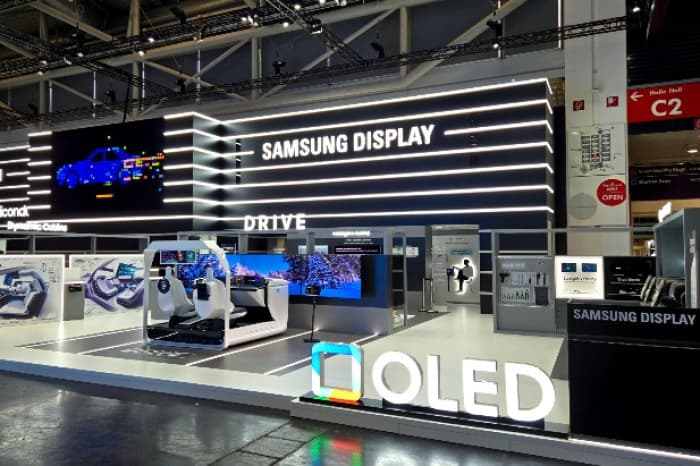
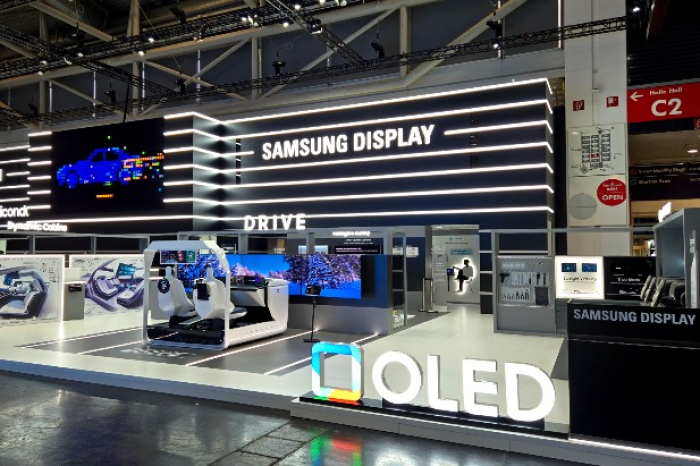
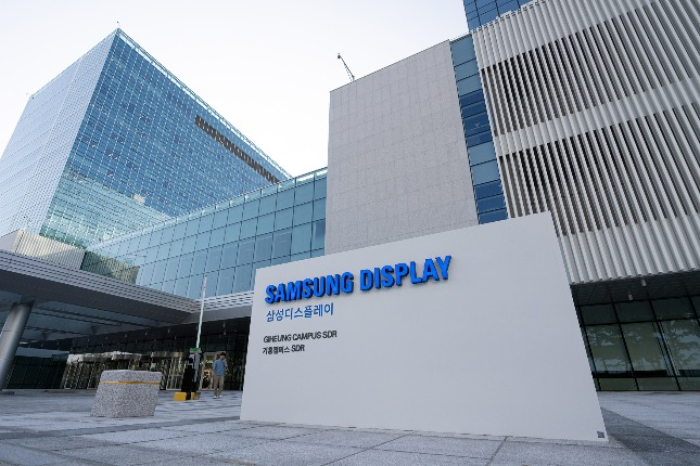
Samsung Display and China’s BOE have agreed to withdraw all OLED-related lawsuits worldwide and asked the U.S. International Trade Commission (ITC) to terminate its investigations. Media reports indicate BOE will pay royalties to license Samsung’s OLED IP, with estimates around 1 trillion won (~$830 million), though exact terms remain confidential. For device makers, this removes the immediate risk of U.S. import exclusion orders on phones and wearables using BOE panels and stabilizes multi-sourcing plans for 2026 flagship cycles and foldables.
This matters because supply risk-not just performance or price-has been the main constraint on OLED sourcing into the U.S. market. With legal uncertainty lifted, OEMs can diversify panel supply with less fear of an abrupt import shutdown during peak launches.
Key Takeaways
- Litigation risk is off the table for now: ITC exclusion orders are unlikely, reducing the chance of U.S. distribution disruption for devices using BOE OLEDs.
- Expect a modest per‑panel cost increase as BOE passes through royalties. Back‑of‑envelope: if ~$830M is amortized over three years and 100-200M smartphone OLEDs/year, implied royalties are roughly $1.4-$2.8 per panel.
- Multi‑sourcing gets easier: OEMs can apportion volume between Samsung Display, BOE, LG Display, and others with clearer IP cover.
- This sets a licensing benchmark. Other Chinese panel makers are more likely to negotiate than litigate, accelerating IP normalization across the display stack.
- Procurement and Legal should tighten indemnities, license attestations, and pass‑through protections in the next contract cycle.
Breaking Down the Announcement
The dispute combined patent infringement and trade‑secret claims across multiple jurisdictions. A July 11, 2025 preliminary determination by an ITC Administrative Law Judge found a Section 337 violation on trade secrets, setting the stage for potential import bans pending a final decision. The parties settled before that decision, agreed to withdraw all actions, and sought termination of ITC investigations. Media in South Korea report a royalty‑bearing license for BOE, with estimates around 1 trillion won; neither party disclosed rates, scope, or duration.
Strategically, Samsung converts its OLED R&D lead into recurring licensing revenue and a stronger IP deterrent. BOE gains legal certainty to expand premium smartphone and foldable panels without the overhang of an injunction risk that could have shut U.S. market access for its customers.
What This Changes for OEM Procurement
Procurement teams can now plan U.S.-bound devices with BOE panels more confidently. Expect suppliers to seek price adjustments to reflect license costs. In practical terms, panel ASPs could rise by low single digits. For a $15-$35 smartphone OLED module, a $1.4–$2.8 uplift translates to roughly 0.5–1.5% impact on total device BOM, depending on mix and volumes. That’s manageable, but it erodes the historical price delta BOE held versus Samsung Display on some mid/high‑tier SKUs.
With legal uncertainty reduced, OEMs may diversify panel allocations-e.g., deploy BOE in select U.S. variants and maintain Samsung or LG Display in halo models where yield, brightness, and LTPO power efficiency remain differentiators. Foldables and high‑refresh LTPO displays are the most sensitive segments for qualification; the settlement won’t change technical validation timelines, but it removes a key regulatory blocker.
Industry Context and Competitive Angle
Samsung Display retains leadership in small/medium OLED performance and IP. LG Display remains strong in TV OLED and supplies select smartphone panels, while Chinese competitors—BOE, Visionox, Tianma, CSOT—are scaling capacity and yields. The settlement signals that licensing is the cost of participation at the high end of OLED, particularly for LTPO, foldable stacks, and advanced thin‑film encapsulation and touch integration.
Over time, normalized IP access could intensify price competition as Chinese makers scale. Short term, however, BOE’s cost structure absorbs royalties, compressing its price advantage. Expect Samsung to leverage this outcome to pursue or reinforce licenses with other panel makers, while OEMs benefit from reduced disruption risk and more predictable supply.
Risks, Unknowns, and Compliance
The license scope is undisclosed: coverage across future patents, new architectures (e.g., tandem OLED), or specific processes may be limited. U.S.–China policy risk (tariffs, export controls on equipment/materials) remains independent of this deal. Third‑party IP—such as emitter material patents—sits outside this settlement and still requires separate compliance. OEMs should verify that module suppliers hold all necessary upstream licenses and that indemnities cover device‑level claims in all target markets.
Recommendations
- Demand updated IP attestations and enhanced indemnities from panel vendors. Require back‑to‑back coverage to the device level, step‑in rights, and notification triggers for license scope changes.
- Model BOM sensitivity with realistic royalty pass‑throughs. Use a $1–$3 per‑panel scenario range for 2026 planning and set procurement thresholds for switching or rebalancing allocations.
- Lock capacity and second‑source plans now for 2026 flagships and foldables. Maintain qualification paths with at least two suppliers per panel spec to hedge yield and policy risk.
- Audit upstream IP exposure across materials and equipment (emitters, encapsulation, touch). Ensure suppliers maintain current licenses beyond Samsung‑BOE terms.
Bottom line: the legal cloud has cleared, supply risk is down, and costs will nudge up modestly. Treat this as an opportunity to firm up multi‑sourcing, de‑risk contracts, and negotiate volume commitments while the market resets around a clearer IP baseline.