What Changed and Why It Matters
Einride plans to go public via a SPAC merger with Legato Merger Corp., targeting a New York Stock Exchange debut in the first half of 2026. The deal pegs Einride’s pre‑money equity value at $1.8 billion and is expected to deliver about $219 million in gross SPAC proceeds, plus up to $100 million in PIPE financing-both subject to typical market dynamics. For operators, the question isn’t the headline valuation; it’s whether this route reliably funds electric and autonomous freight at the scale shippers need over the next 18-24 months.
Key Takeaways
- Valuation vs. revenue: $1.8B pre‑money against ~$45M ARR run rate and $65M in contracted ARR implies ~40x current ARR (~28x on contracted), high for asset‑heavy logistics.
- Proceeds uncertainty: $219M gross from the SPAC trust excludes redemptions; recent SPACs commonly see 60-90% redemptions, compressing net cash unless PIPEs backfill.
- Long runway: Closing in H1 2026 means at least 18 months of execution risk and interim financing needs to hit customer deployment timelines.
- Go‑to‑market scope: 200 heavy‑duty electric trucks across Europe, North America, and the UAE; early autonomous “pods” on fixed routes with customers like GE Appliances and Apotea.
- Three lines of business to integrate: electric trucks, autonomous pods, and shipper planning software-bundled as logistics‑as‑a‑service (LaaS).
Breaking Down the Announcement
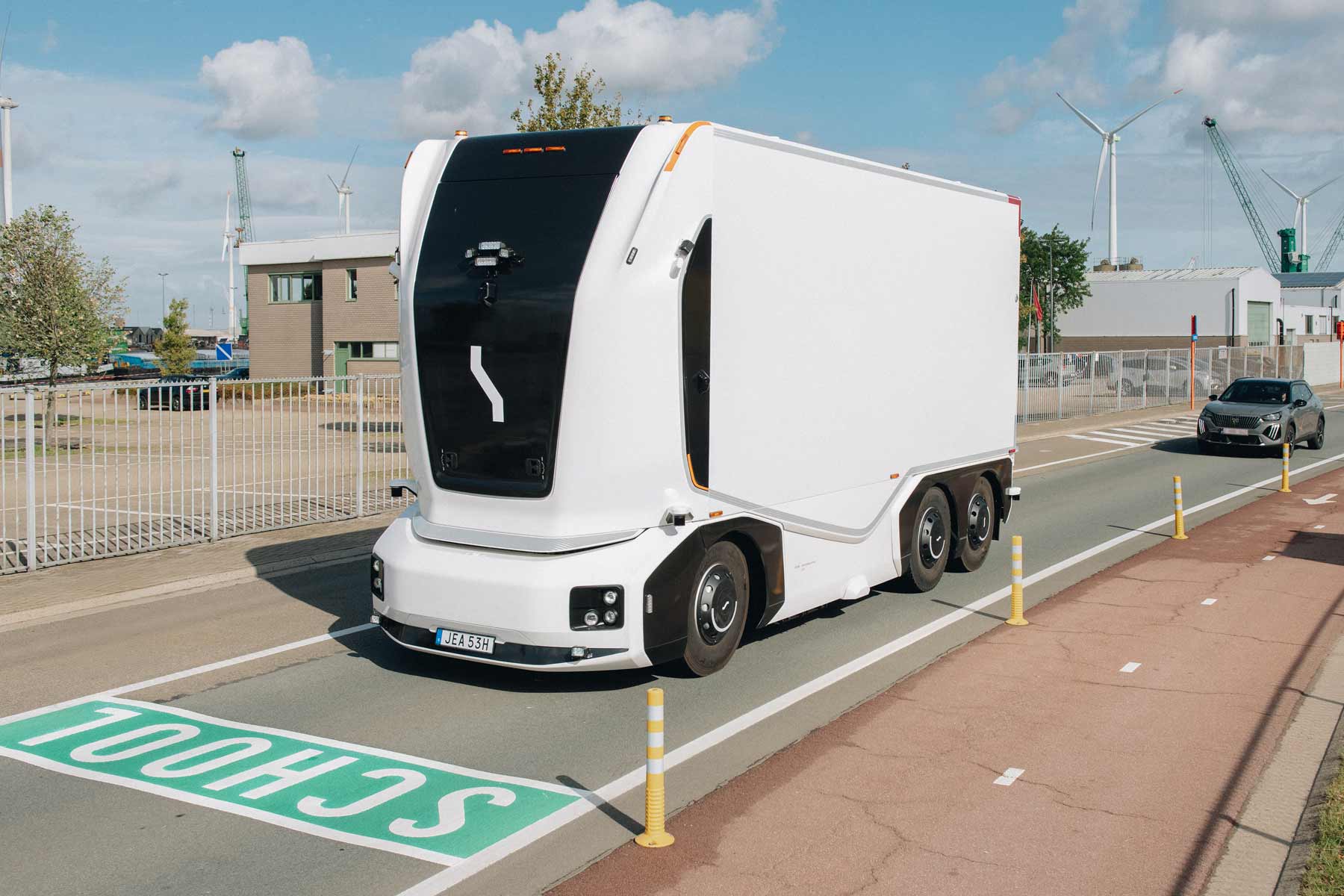
Founded in 2016, Einride positions itself as a vertically integrated decarbonized freight provider: it deploys and operates heavy‑duty electric trucks, develops autonomous, steering‑wheel‑less “pods” for fixed routes, and sells planning software to shippers. The company names Heineken, PepsiCo, Carlsberg Sweden, and DP World among customers, with U.S. operations managed from Austin, Texas. Earlier this year, Einride appointed Roozbeh Charli as CEO and disclosed a ~$45M ARR run rate with $65M in contracted ARR.
The SPAC with Legato aims to raise ~$219M before redemptions, plus an additional up to $100M in PIPE. Management says proceeds will scale electric fleets and accelerate autonomous freight deployments. Einride previously raised $500M in 2022 (including $300M in debt led by Barclays Europe) and $100M more in October from existing backers including EQT Ventures and IonQ.
Industry Context and Comparisons
Einride joins a cohort of AV and trucking companies that have used SPACs to access capital. Aurora went public at a ~$13B valuation in 2021 and is now piloting commercial operations with onboard observers. Kodiak AI also opted for a SPAC path. Others (TuSimple, Embark) illustrate how challenging public markets can be for AV companies with long R&D cycles and capital needs.
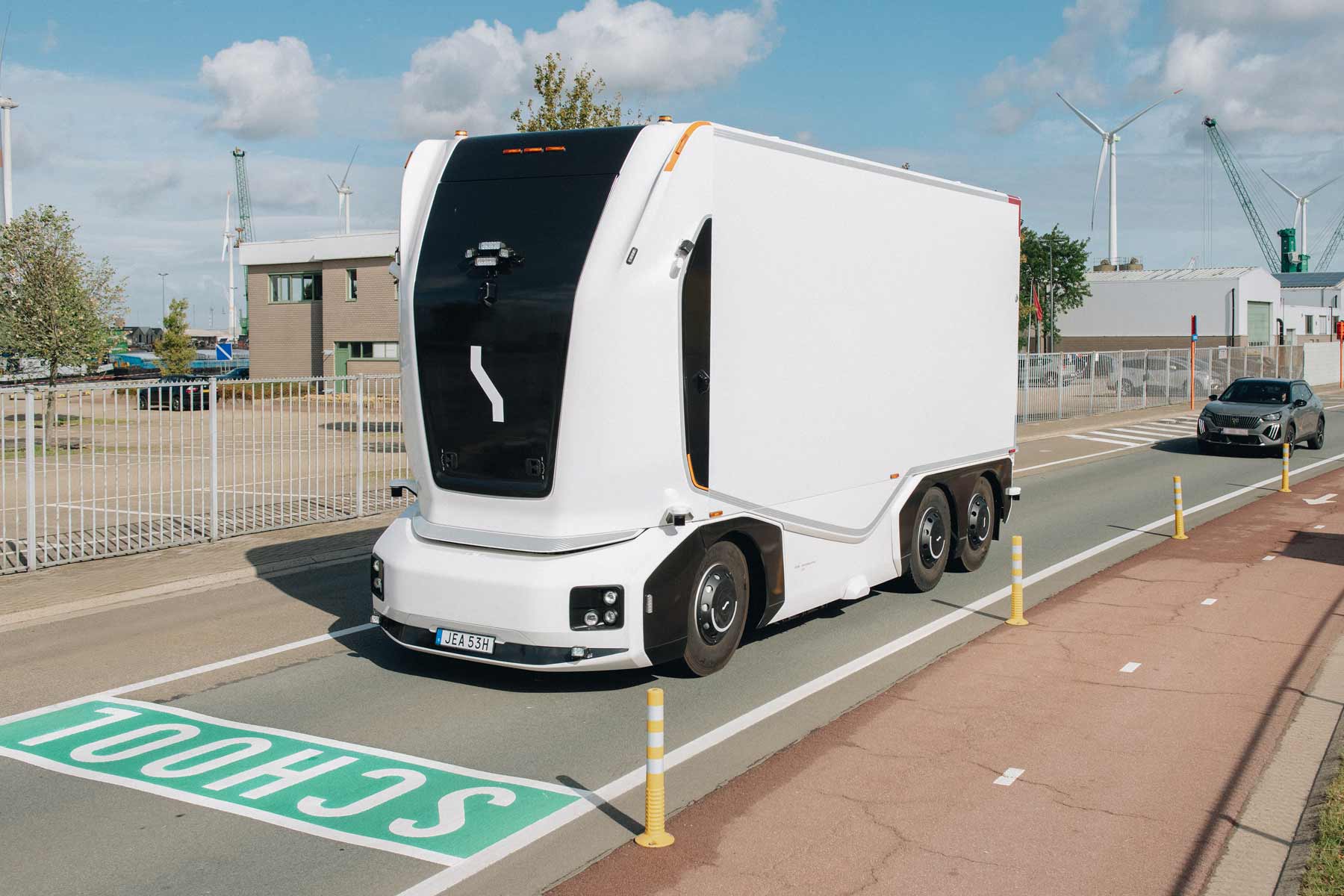
Strategically, Einride differs by leading with electric trucking and treating autonomy as a targeted, fixed‑route extension-closer to yard/dedicated lane automation than general open‑road autonomy. That may reduce technical and regulatory scope versus highway autonomy players, but it concentrates unit economics on specific lanes and charging footprints. With EU charging mandates ramping and U.S. incentives for commercial EVs, the timing is favorable for electrification, while autonomy remains constrained by permitting, safety cases, and remote‑operations staffing ratios.
Risks and Constraints
Proceeds: Gross SPAC cash rarely equals net cash. Many recent deals have seen redemptions above 80%, pressuring proceeds unless PIPE investors or strategic partners fill the gap. The “up to $100M” PIPE is not a commitment; watch for pricing, anchors, and covenants.
Timeline: A closing target in H1 2026 introduces prolonged market and execution risk. Einride will likely require bridge financing to maintain fleet build‑outs, charging deployments, and autonomy pilots. Any slip in customer launches could pressure both revenue growth and investor confidence.
Unit economics: LaaS bundles hardware, software, energy, and operations. That can create sticky revenue, but masks cost drivers. Key sensitivities include electricity tariffs and demand charges, charger utilization, battery degradation and replacement cycles, maintenance labor, and—on autonomy—operator‑to‑vehicle ratios and remote‑operations infrastructure. Without scale, gross margins can be thin.

Regulatory exposure: Einride’s steering‑wheel‑less pods generally require exemptions, fixed routes, and remote oversight. Approvals are location‑specific, volumes may be capped, and safety reporting needs to be rigorous. Policy momentum for EVs is stronger than for driver‑out autonomy.
What This Changes for Operators
If the merger funds as planned, shippers could see expanded access to turnkey electric middle‑mile capacity and more fixed‑route autonomy pilots. For sustainability leaders, the LaaS model simplifies Scope 3 reporting and offers clearer emissions reductions than offsets. For operations, the near‑term value is likely electrification with software‑assisted routing; autonomy remains lane‑by‑lane, with limited scale until regulatory and safety cases mature.
The big question is reliability of capital. If redemptions are high and the PIPE is light, Einride may prioritize profitable European lanes, defer U.S. expansion, or slow pod deployments. Enterprises should plan contingencies rather than hinge decarbonization targets on a single vendor’s public-market timing.
Recommendations
- Run lane-level TCO models now: Include your actual tariffs, demand charges, charger utilization assumptions (hours/day), battery replacement, and maintenance. Ask for vehicle-level gross margin and uptime data, not just ARR.
- Stage pilots for resilience: Start with electrified lanes under Einride’s LaaS, but design contracts to be vendor‑portable. Include performance SLAs with credits/penalties, clear uptime metrics, and take‑or‑pay minima aligned to your forecast.
- De‑risk autonomy: Limit early autonomy to fenced or fixed routes with defined safety cases, teleoperations plans, and regulator-approved reporting. Require incident transparency and third‑party safety audits.
- Watch the financing stack: Track SPAC redemptions, PIPE commitments, and any bridge debt. Treat the $219M gross as a ceiling; plan based on realistic net proceeds and the company’s cash runway to 2026.