Executive summary – what changed and why it matters
Waymo received California DMV authorization to operate fully driverless vehicles across a dramatically larger footprint – most of the Bay Area (including Napa and Sacramento) and a corridor from Santa Clarita to San Diego – the largest geographic expansion of driverless operations in the state to date. This DMV greenlight covers driverless testing and operations but not yet paid rides everywhere; Waymo says it targets paid service in San Diego by mid‑2026 pending CPUC approvals. The net effect: a clear acceleration of robotaxi commercialization and a regulatory precedent that other AV operators will use as a template.
Key takeaways
- Substantive change: DMV authorized driverless operations across millions of residents’ commutes — Bay Area, North Bay, Sacramento, and most of Southern California.
- Timeline: Waymo targets San Diego rider service in mid‑2026; broader commercial rollouts depend on CPUC approvals and local permits.
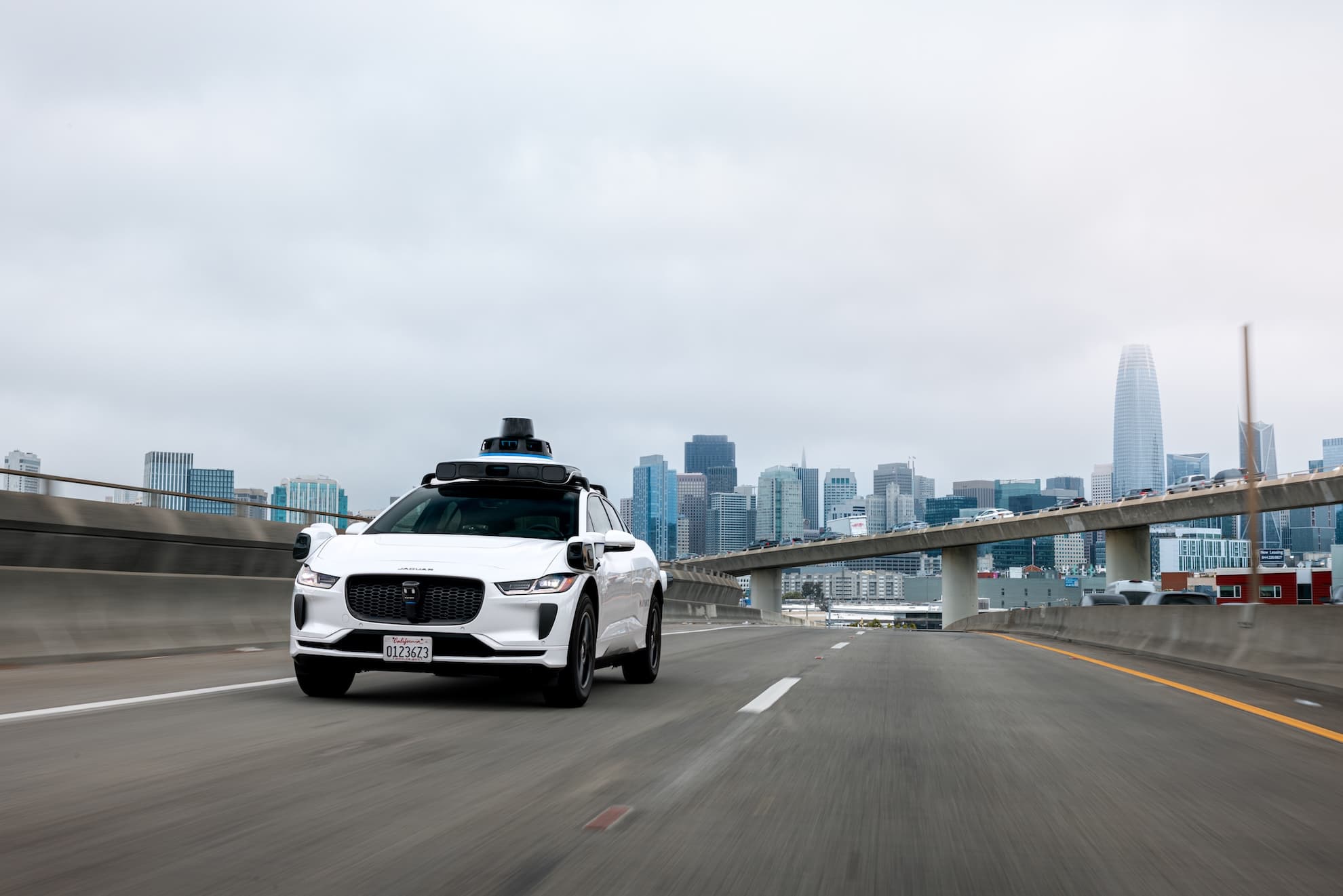
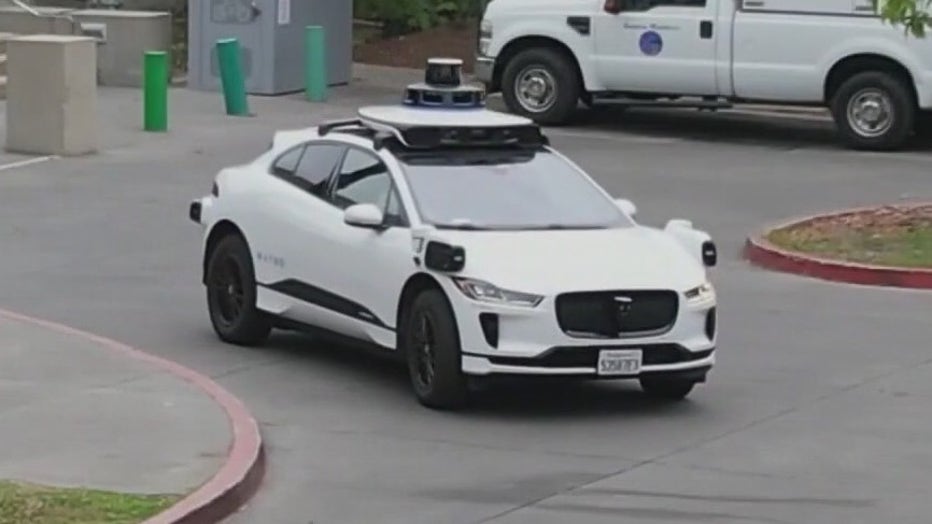
- Quantified assets: Waymo’s fleet (Pacifica minivans, Jaguar I‑PACE) uses lidar/radar/camera stacks, OTA updates, LAX01 data center capacity and a 239,000 sq ft Arizona facility supporting production.
- Risk focus: governance (multi‑agency approvals), safety reporting, cybersecurity, and local political pushback will determine speed of commercialization.
Breaking down the announcement
The DMV approval authorizes Waymo to operate without safety drivers across varied environments — urban downtowns, suburban corridors and some rural segments. That matters operationally: Waymo can collect large‑scale real‑world operational data across diverse weather and traffic conditions, accelerating model robustness and validation. It also matters commercially: moving from constrained pilots to contiguous, multi‑city service areas lowers marginal costs per ride if utilization follows.
But this is not an unconditional commercial license. Waymo still needs CPUC sign‑off to carry paying passengers in some zones; local permits and coordination with municipal transit agencies will remain necessary. Expect phased service rollouts, with San Diego slated as the first paid market in the newly approved region.
Technical and operational realities
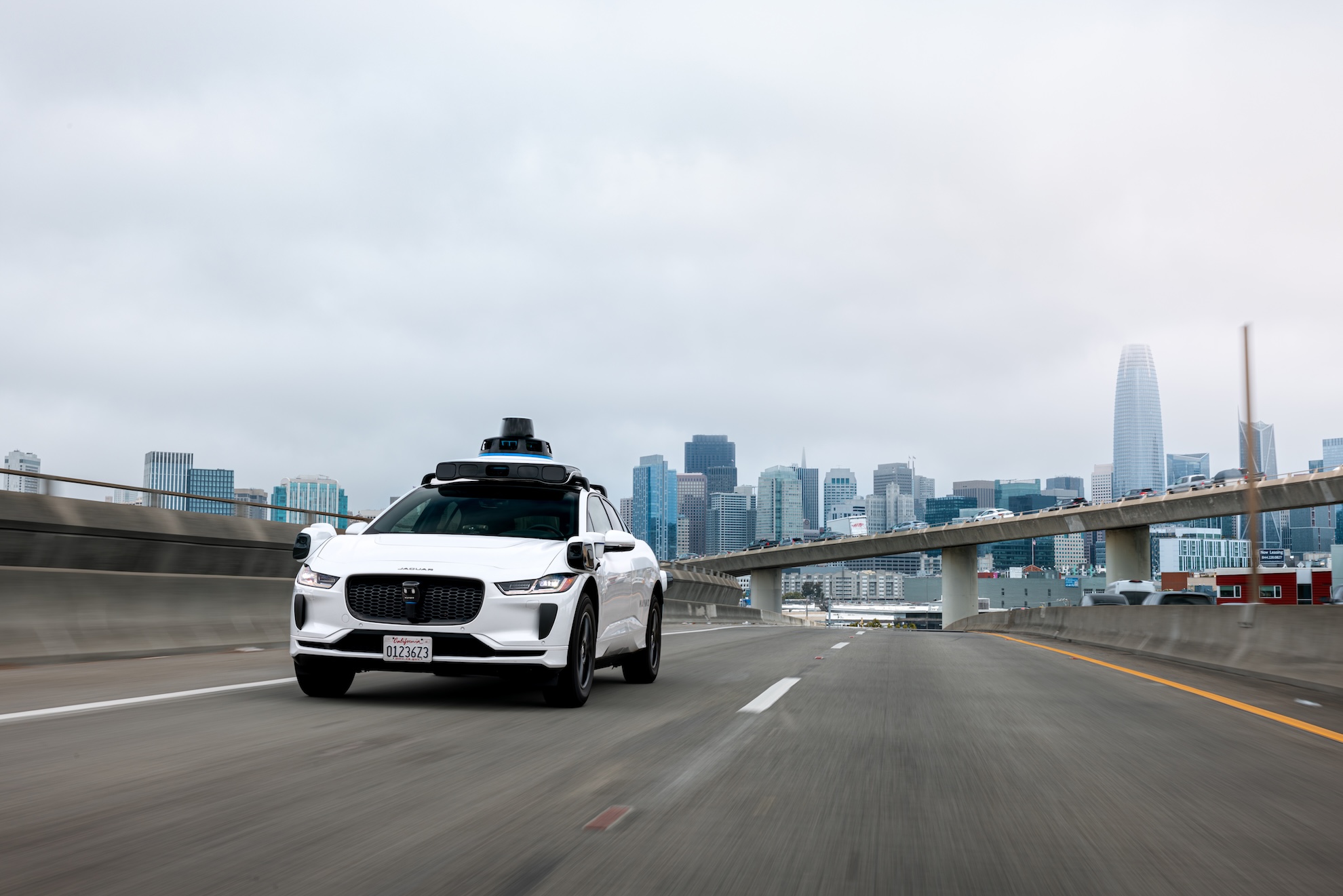
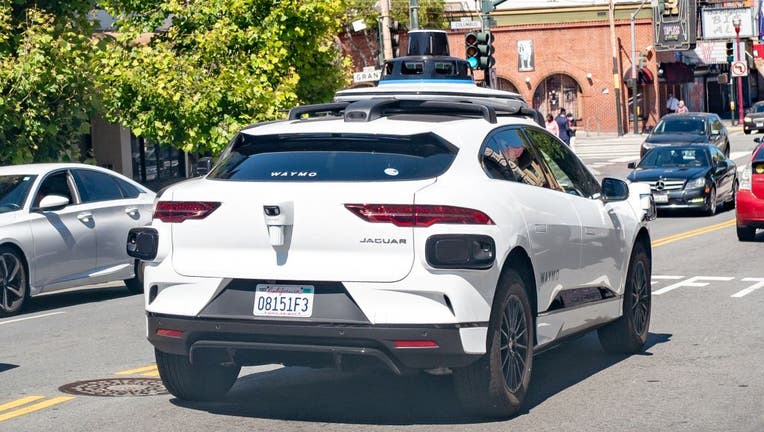
Waymo’s stack is mature relative to many competitors: multi‑sensor fusion (lidar + radar + cameras), millions of logged miles, OTA software distribution, and centralized model training with regionalized testing. Operational scaling depends on three levers: fleet production and retrofitting capacity (Waymo’s Arizona facility cited at ~239,000 sq ft), edge‑to‑cloud data throughput (LAX01 and similar centers), and field‑service operations to manage vehicles across jurisdictions.
Quantitatively, larger service areas should improve fleet utilization and reduce per‑ride unit cost — but only if demand density is sufficient. Sparse suburban routing raises deadheading and maintenance costs; urban densification increases regulatory friction and incident visibility.
Risks and governance considerations
- Regulatory: DMV approval narrows one barrier but CPUC, city permits, and local traffic rules still constrain revenue operations.
- Safety & trust: high‑visibility incidents in expanded geographies could trigger rollbacks; transparent incident reporting and third‑party audits will be decisive.
- Cybersecurity & privacy: larger fleets increase attack surface; operators must harden OTA pipelines and telemetry protection.
- Labor & social impact: expanded robotaxi service will heighten debates over driver displacement and transit policy coordination.
Competitive context
Waymo’s regulatory maturity and breadth of real‑world data give it a first‑mover advantage versus Tesla’s consumer FSD approach (which relies on driver supervision and faces regulatory scrutiny), Cruise’s more urban‑centric deployments, and Zoox’s smaller pilot footprint. That said, lower‑cost consumer models and auto OEM partnerships (e.g., Hyundai, Geely in the industry broadly) could compress margins for robotaxi operators over time.
What operators and leaders should do next
- For AV operators: Use Waymo’s DMV approval as a regulatory playbook—focus on evidence‑based safety cases, phased geography expansion, and robust OTA governance.
- For product and fleet leaders: Stress test models across mixed environments and model how utilization and deadhead affect unit economics before scaling.
- For AI teams: Prioritize sensor fusion that degrades gracefully and edge compute optimizations to reduce latency across broader geographies.
- For policymakers: Demand transparent incident datasets, standardized audit frameworks, and equity requirements for service access.
Bottom line
Waymo’s California approval is a milestone: it shifts the industry needle from experimental pilots toward regional commercial networks. That makes widescale robotaxi service plausible within 12-24 months in targeted corridors, but realization depends on CPUC approvals, local cooperation, rising public trust, and economically viable utilization. Executives should plan for rapid technical scaling while preparing governance, security, and community engagement strategies now.