Executive summary – what changed and why it matters
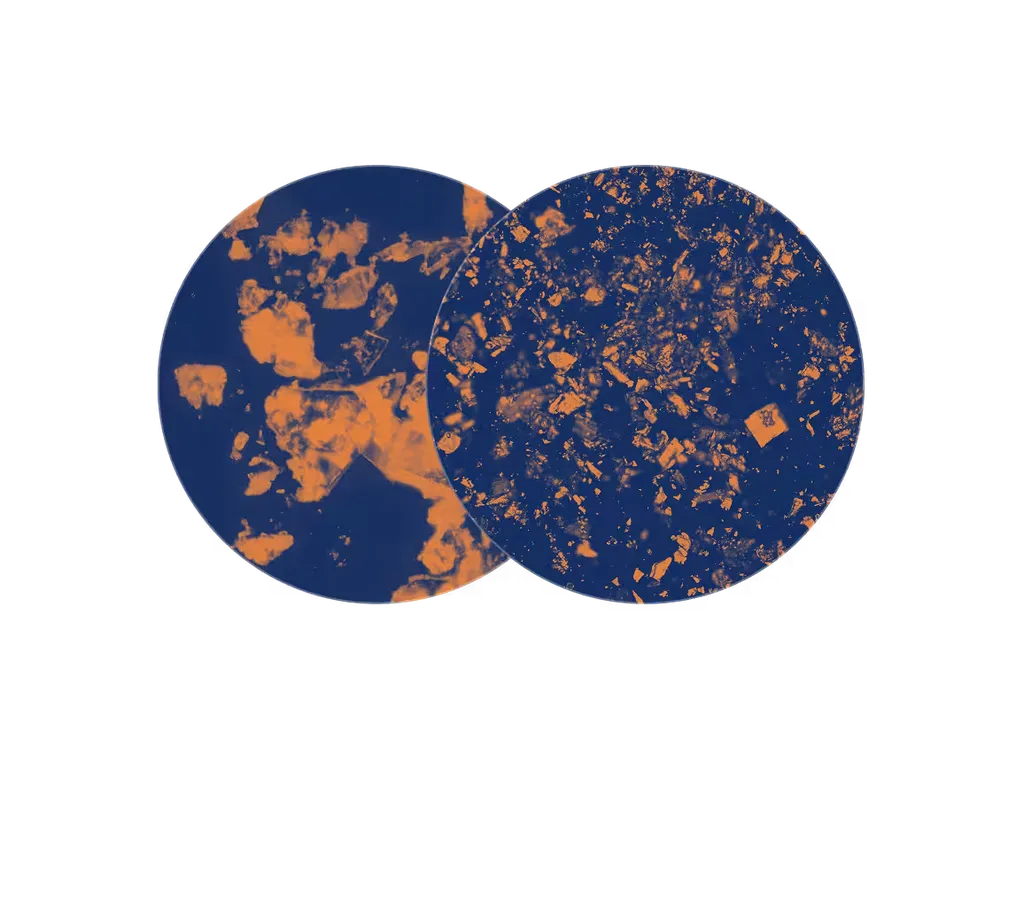
Varda Space Industries has demonstrated the core commercial concept of manufacturing pharmaceuticals in microgravity and returning them to Earth: its W-1 capsule brought back crystals of ritonavir after a June 2023 launch and a Feb 2024 recovery. That technical success, combined with rideshare launches (SpaceX) and Rocket Lab Photon buses, positions Varda to sell repeatable, launch‑dependent manufacturing runs – a business model that, if it scales, changes launch economics by converting each drug batch into recurring launch demand.
- Substantive change: operational proof-of-concept for space-based crystallization and U.S. reentry under FAA Part 450.
- Quantified signals: W-1 is ~90 cm across, <90 kg; reentry >30,000 km/h (Mach 25) and took ~8 months to return on first mission.
- Market implication: manufacturing-as-launch-demand could create predictable repeat business that drives down per-launch costs; Varda has raised institutional capital (~$329M reported) to pursue scale.
Breaking down the announcement
Varda’s W-1 is a small, conical return capsule integrated as a rideshare payload and hosted on Rocket Lab’s Photon bus while in orbit. Microgravity reduces sedimentation and gravity-driven defects during crystallization, enabling uniform crystal sizes or rare polymorphs that can improve stability, purity, and shelf life – all potentially valuable for high-price drugs. The capsule’s protected reentry and soft landing under FAA Part 450 completed a rare commercial orbital return; only SpaceX and Boeing had done similar recoveries prior.
Why this could change launch economics
Varda’s model ties manufacturing runs directly to launches. Unlike satellite customers, which typically buy one‑time launches to place persistent hardware in orbit, Varda needs repeated launches for each batch. If a single drug reaches clinical trial and commercial scale from space-based manufacturing, Varda argues it will create “perpetual launch” demand. Increased, predictable volume lets launch providers amortize fixed costs and potentially drive per-launch prices down — accelerating a positive feedback loop for more drug types to become economical to make in orbit.

Limits, costs, and realistic timelines
Key constraints remain. Space manufacturing runs take weeks to months in orbit; capsules are small (<90 kg), so per‑batch mass and throughput are limited. Only very high-value products (or formulations commanding thousands of dollars per dose) can absorb current launch and processing costs. Varda’s timeline ambitions — broad, repeated nightly returns within a decade or cheaper month-long orbital labor in 15-20 years — are speculative and contingent on sustained reductions in launch cost, regulatory approval for space‑made drugs, and consistent reentry access.

Regulatory, safety and operational risks
There are three heavy governance hurdles: FAA coordination for reentry (Varda’s first capsule was stranded in orbit for eight months due to range scheduling and licensing coordination), product quality certification (FDA will require chain-of-custody, GMP-equivalent controls, and clinical trials for any space‑manufactured drug), and launch/reentry loss risk (insurance and failure rates will materially affect unit economics). The industry also faces long lead times to integrate into pharma supply chains that prioritize validation over novelty.
Competitive and technical context
Varda isn’t inventing new molecules; it’s offering a new manufacturing environment. Pharma incumbents (Bristol Myers Squibb, Merck) have run ISS crystallization experiments, but those platforms aren’t optimized for repeated, commercial throughput. Earth-based crystallization advances (microfluidics, controlled anti-solvent methods) will compete on cost; space needs to show a clear, repeatable quality delta that justifies launch premiums. The Photon bus + rideshare model provides an operational lever others will need to match if this market grows.
Operator’s perspective — what to track
- Per-batch economics: cost per gram and margin improvement from space crystallization versus best-in-class Earth methods.
- Regulatory milestones: FDA acceptance for clinical trials using space-produced formulations and finalized GMP-equivalent processes.
- Operational reliability: time‑on‑orbit, reentry cadence under Part 450, and loss/insurance rates.
- Launch pricing: per-launch discounts from repeat business and contracts with SpaceX/Rocket Lab.
Recommendations — who should act now
- Pharma R&D leaders: run targeted comparative studies on molecules with known crystallization issues and open FDA dialogue early about documentation and GMP equivalency.
- Launch providers: model subscription pricing for recurring manufacturing customers and secure guaranteed reentry windows/ground range agreements.
- Investors and operators: stress-test unit economics using conservative launch-cost trajectories and include regulatory timelines in IRR models.
- Regulators: clarify reentry coordination and export/compliance rules for biologics, and provide guidance on GMP for space-manufactured drugs.
Varda’s proof-of-concept is real and meaningful: it turns an experimental microgravity advantage into a plausible commercial pathway. The big caveat is economics and regulation — the market will decide whether the quality gains justify recurring launches and the capital required to scale. For executives, the immediate action is pragmatic: validate the clinical value, lock in predictable launch and landing access, and treat regulatory acceptance as the gating factor for commercial rollout.