What Changed-and Why It Matters
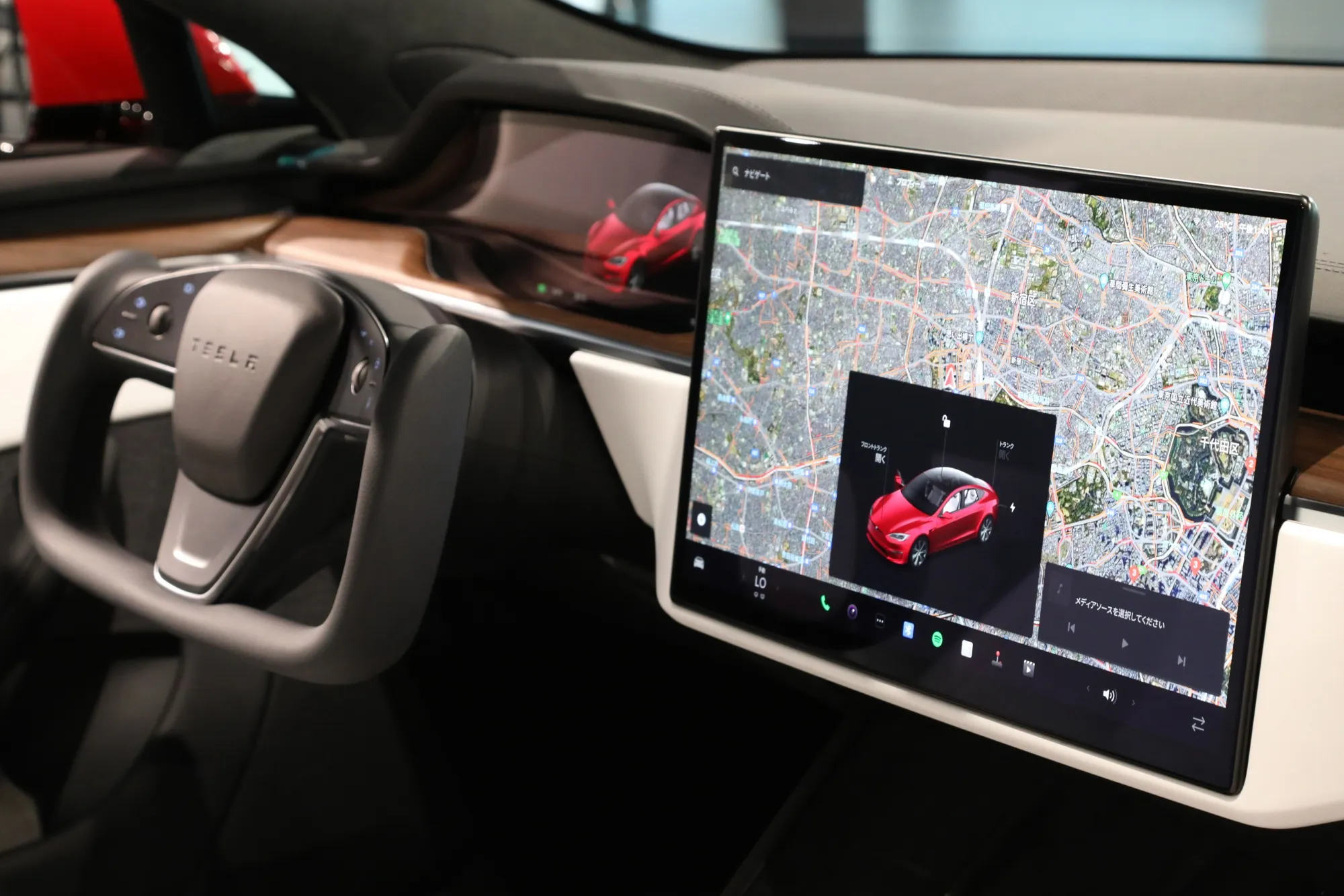
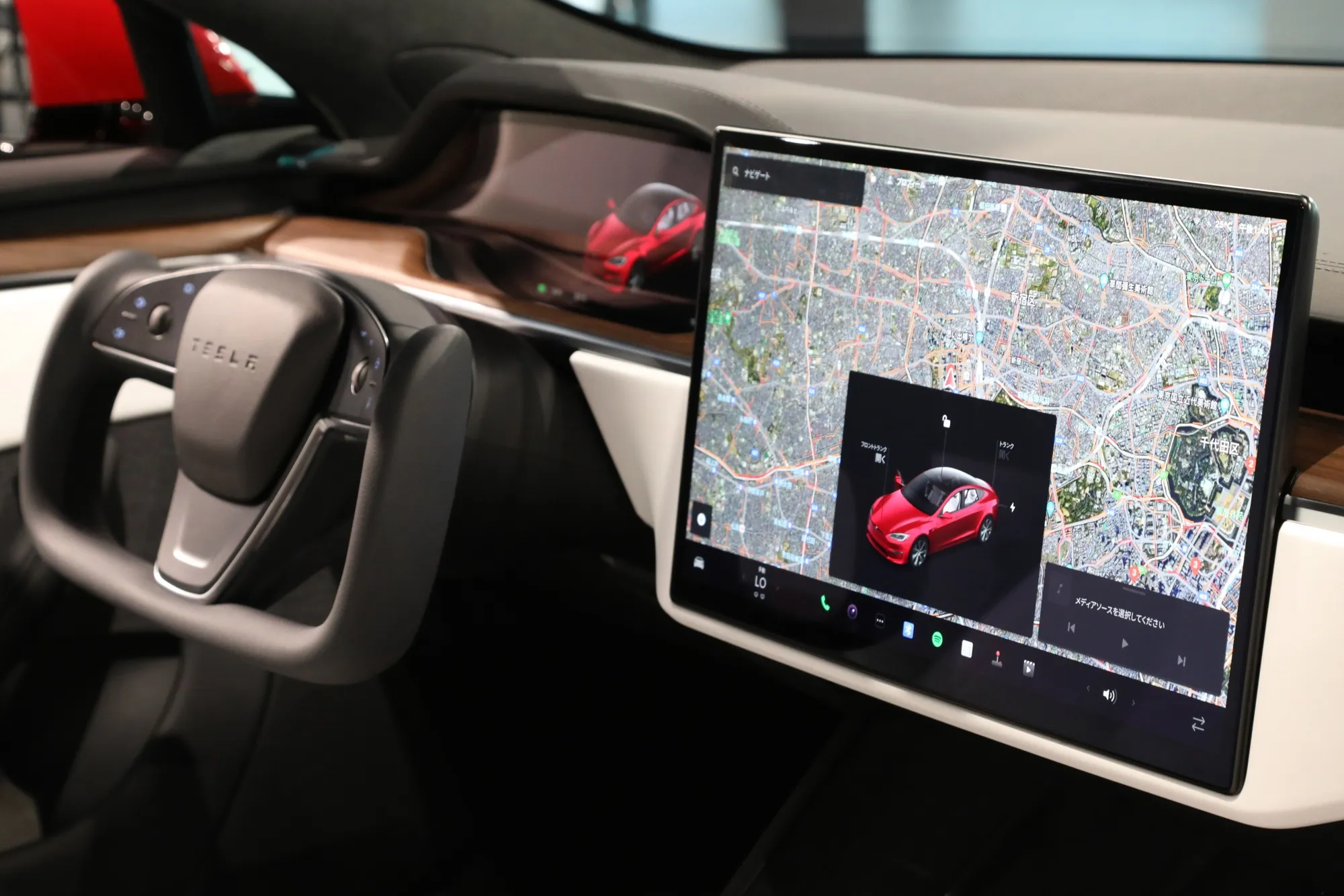
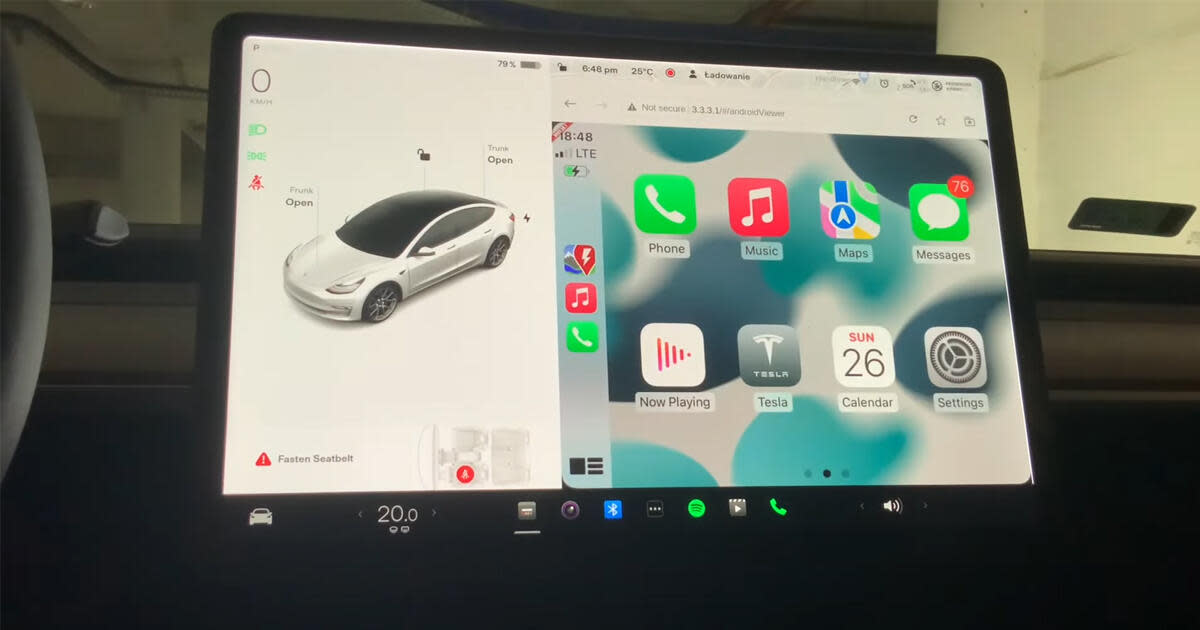
Bloomberg reports Tesla is developing support for Apple CarPlay inside its native infotainment software. It’s said to be standard CarPlay, not Apple’s next‑generation multi‑display experience (often dubbed “CarPlay Ultra”), and Tesla could still cancel before release. If it ships, this would end Tesla’s long‑standing holdout against phone projection and immediately reduce friction for iPhone‑centric buyers-potentially influencing purchase decisions at a time when EV demand is uneven and brand loyalty is being tested.
Key Takeaways
- Tesla is reportedly building standard CarPlay integration; the advanced multi‑screen version is not in scope.
- This addresses a frequent buyer objection and aligns Tesla with mainstream expectations in new vehicles.
- Trade‑offs: Tesla may cede in‑car app engagement and some subscription upsell opportunities to Apple’s ecosystem.
- Compatibility and timing are unclear; older vehicles (e.g., MCU1) may be excluded.
- If Tesla ships CarPlay without Android Auto, expect customer pressure for parity or a clear rationale.
Breaking Down the Announcement
Standard CarPlay mirrors the iPhone’s UI to a vehicle screen for navigation, calls, messages, and media, while relying on the phone’s data and apps. The next‑gen CarPlay experience-publicly previewed by Apple as a fully integrated, multi‑display system that can drive instrument clusters and climate—requires deep OEM integration and is limited to select partners. Bloomberg indicates Tesla is pursuing the simpler, projection‑only path, which preserves Tesla’s control over the instrument cluster, vehicle settings, and safety‑critical surfaces.
For drivers, the change is straightforward: familiar apps (Apple Maps, Spotify, Podcasts, Messaging) and Siri become first‑class citizens on Tesla’s center screen. For Tesla, the calculus is more complex. CarPlay moves session data and app time to the iPhone, potentially reducing usage of Tesla’s native apps and the perceived value of its paid Premium Connectivity for streaming and navigation features. CarPlay could still coexist with Tesla’s maps, voice, and media apps, but usage patterns will likely shift toward Apple’s UI.
Industry Context
Apple has publicly claimed that nearly all new cars sold in the U.S. offer CarPlay and that a large majority of buyers consider it a must‑have; Tesla has been the conspicuous holdout. GM’s recent decision to drop CarPlay/Android Auto in favor of Google‑built native apps triggered customer backlash and forced a heavier lift on software. If Tesla reverses course, it would validate the enduring demand for phone projection and could isolate OEMs that are betting against it.
Timing matters. As EV competition intensifies—from Chinese OEMs to refreshed offerings from traditional automakers—the absence of CarPlay can be a deal‑breaker for iPhone households. Adding it lowers switching costs for buyers coming from CarPlay‑equipped vehicles and reduces the “Tesla is different” learning curve that some customers resist.

Operational Realities and Risks
- Compatibility: Expect rollout only to vehicles with newer infotainment hardware (e.g., MCU2/Ryzen). Older MCU1 cars may be excluded due to performance or wireless limitations.
- Governance: Standard CarPlay runs on the iPhone; Apple’s HIG and safety policies limit interaction while moving. Tesla retains control of vehicle functions and safety‑critical UIs.
- Data and analytics: CarPlay reduces in‑car telemetry about app usage and content preferences. That may diminish Tesla’s ability to optimize engagement or upsell media features.
- Support burden: Tesla service and support will inherit a new class of issues—Bluetooth/Wi‑Fi stability, iOS version edge cases, app handoff, and Siri microphone routing.
- Android parity: If Android Auto isn’t offered, Tesla risks alienating Android users and inviting regulatory or consumer scrutiny about platform favoritism.
What This Changes for Buyers and Fleets
For consumers, CarPlay would remove the biggest infotainment gap versus mainstream brands. Navigation continuity, media libraries, and messaging workflows would carry over seamlessly, making Tesla an easier cross‑shop for households embedded in Apple’s ecosystem. For fleets, CarPlay can reduce driver training time and IT friction by standardizing comms and navigation on iPhones already provisioned with mobile‑device‑management profiles.
There are caveats. Because this is reportedly standard CarPlay, don’t expect Apple‑driven instrument clusters, HVAC control, or deep vehicle telemetry. Tesla’s native features—energy planning, camera views, and vehicle settings—remain essential. Buyers should also assume feature availability will vary by region, hardware revision, and software branch, at least initially.
Why Tesla Might Be Doing This Now
Three pressures likely intersect: customer demand (CarPlay as a purchase criterion), competitive parity (rivals advertise CarPlay/Android Auto as default), and software economics (protecting high‑margin hardware sales may outweigh incremental infotainment revenue). Supporting standard CarPlay gives Tesla the demand‑side benefits without ceding the vehicle UI layer to Apple’s next‑gen experience.
Recommendations
- Prospective buyers: If CarPlay is a must‑have, wait for official confirmation and compatibility lists. Avoid aftermarket dongles until Tesla’s plan is clear.
- Enterprise/fleet operators: Plan pilot vehicles to validate CarPlay reliability with your managed iOS builds, MDM policies, and required apps before broader procurement.
- Product and CX teams: Prepare updated onboarding, support scripts, and UI guidance that explain when to use Tesla’s native features versus CarPlay (e.g., energy route planning).
- Android‑heavy organizations: Seek clarity on Android Auto. If absent, consider driver cohort needs and whether that affects Total Cost of Ownership or change‑management efforts.
- Current owners: Expect a staged rollout. Verify hardware eligibility (service menu/vehicle spec) and monitor release notes; regional and hardware gating is likely.
Bottom line: If Tesla ships standard CarPlay, it removes a high‑friction objection and narrows a competitive gap—without giving Apple the keys to the cockpit. That’s a pragmatic move, but watch for hardware exclusions, Android parity, and how Tesla reconciles CarPlay with its own subscription and app roadmap.