What Changed-and Why It Matters
Jeep confirmed the 2026 Recon, an all‑electric, Trail Rated, four‑wheel‑drive SUV with a 100 kWh battery, an estimated 250‑mile range, 650 hp, and 0-60 mph in 3.6 seconds. It starts at $65,000 (plus a $1,995 destination fee), builds in Toluca, Mexico, and launches first in the U.S. and Canada. Jeep will support NACS fast charging via an adapter-not a native port at launch. The headline: despite Stellantis’ broader retrenchment on aggressive electrification, Jeep kept an EV off‑roader on the roadmap. This gives the brand a pure‑electric halo product in a segment where rivals are thin.
Key Takeaways
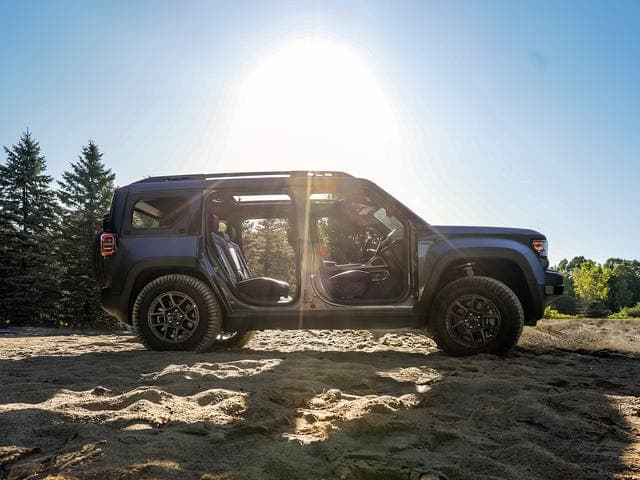
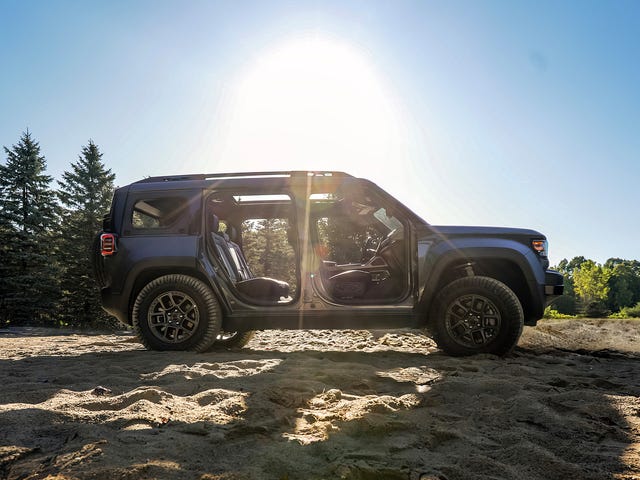
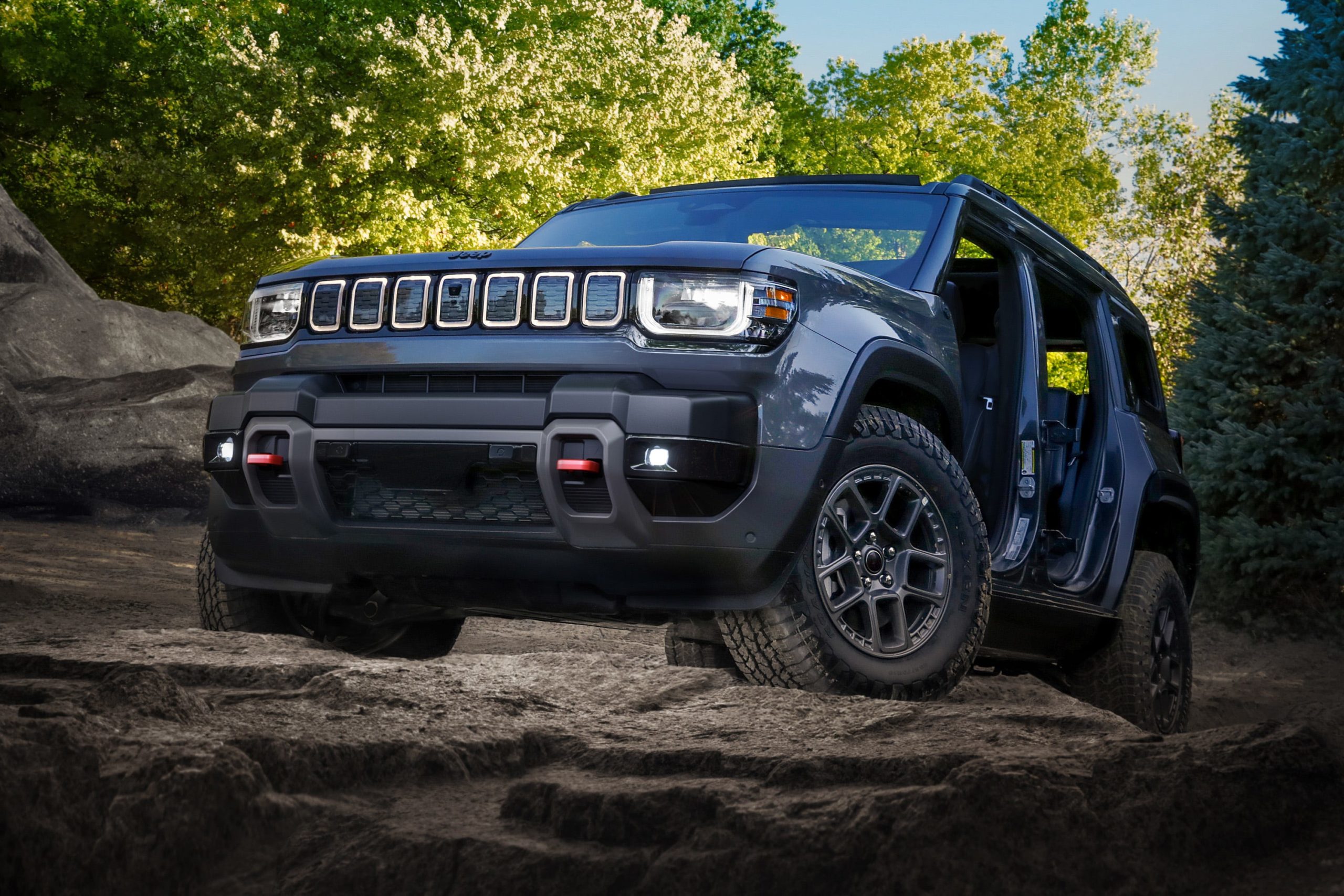
- Substantive product: Trail Rated hardware (e‑lockers, underbody protection, off‑road tires) plus Jeep’s Selec‑Terrain system and removable doors.
- Performance vs practicality: 650 hp and 3.6s 0-60 are headline‑grabbing, but the 250‑mile estimate from a 100 kWh pack signals high consumption and real‑world range pressure off‑road.
- Charging trade‑offs: NACS via adapter enables Tesla Supercharger access, but no native port adds operational friction and potential compatibility uncertainty.
- Pricing pressure: At $65k, Recon faces the Wrangler 4xe (top‑selling U.S. PHEV) and premium EV SUVs like the Rivian R1S, making positioning crucial.
- Strategy signal: Stellantis may be dialing back EV volume ambitions, but Jeep is preserving brand relevance in the EV era with a flagship off‑roader.
Breaking Down the Announcement
The Recon’s hardware reads like a Wrangler‑adjacent spec sheet: full‑time 4×4, electronic locking differential, tow hooks, off‑road tires, and underbody protection. Jeep says the vehicle is Trail Rated, its in‑house benchmark for traction, ground clearance, water fording, and durability. Inside, Jeep adds its largest‑ever touchscreen at 14.5 inches, a swing gate, Wrangler‑inspired taillamps, and removable doors-key brand cues that signal this isn’t a repackaged crossover.
The powertrain pairs a 100 kWh battery with 650 hp and 620 lb‑ft. Instant torque is a genuine advantage for rock crawling and low‑speed maneuvers; one‑pedal control can be precise off‑road. But the numbers also reveal a trade‑off: 250 miles from 100 kWh implies energy usage closer to full‑size, boxy trucks than streamlined crossovers. Expect substantially less than 250 miles when aired‑down on trails, in cold weather, or with accessories like roof racks and tents.
Charging: Jeep will “adopt NACS” for select EVs, including the Recon, but requires an adapter at launch. That grants access to a large DC fast‑charging network, yet native NACS would be cleaner. Details like peak DC rate, preconditioning behavior, and charging curve were not disclosed—important because off‑roaders may need frequent partial top‑ups to manage route uncertainty.
Industry Context: Why This Lands Now
Stellantis and other automakers have tempered EV timelines as U.S. demand underperforms early forecasts and incentives tighten. Within that reset, Jeep’s move keeps a pure‑EV stake in the ground without betting the franchise. The brand’s Wrangler 4xe has led U.S. PHEV sales, showing strong appetite for electrified off‑roaders—just not necessarily for full battery electric at scale. Recon tests whether Jeep’s most committed buyers will accept EV constraints in exchange for torque, refinement, and brand‑faithful features.
Location matters: Toluca assembly supports North American production and potential eligibility under trade rules, but battery sourcing will determine any federal tax credit. Buyers should not assume the $7,500 credit; leasing may still unlock the commercial credit in many cases.
Risks and Operational Realities
- Range under load: Off‑road, range can drop 30-50% depending on terrain, temperature, and tire pressures. Trip planning to remote trailheads remains the constraint.
- Charging fit: Many Superchargers are highway‑centric; access near trail networks is inconsistent. Adapter logistics and cable reach at busy sites are non‑trivial.
- Unknowns: Jeep hasn’t disclosed DC charge rates, thermal management details, or tow and payload ratings—material for real use cases.
- Total cost: At $65k plus destination, Recon must justify a premium over a base Wrangler and the popular (and flexible) Wrangler 4xe PHEV.
- Service and durability: EV drivetrains simplify some maintenance, but off‑road abuse shifts risk to suspension, protection systems, and battery cooling under sustained load.
Competitive Angle
The closest all‑electric comparator is the Rivian R1S: more range (roughly 270–400 miles depending on pack), robust off‑road modes, and higher price points. Recon undercuts typical R1S transaction prices but offers less range and unknown charge speeds. GMC’s Hummer EV exceeds Recon on brute capability but is heavier, pricier, and less practical.
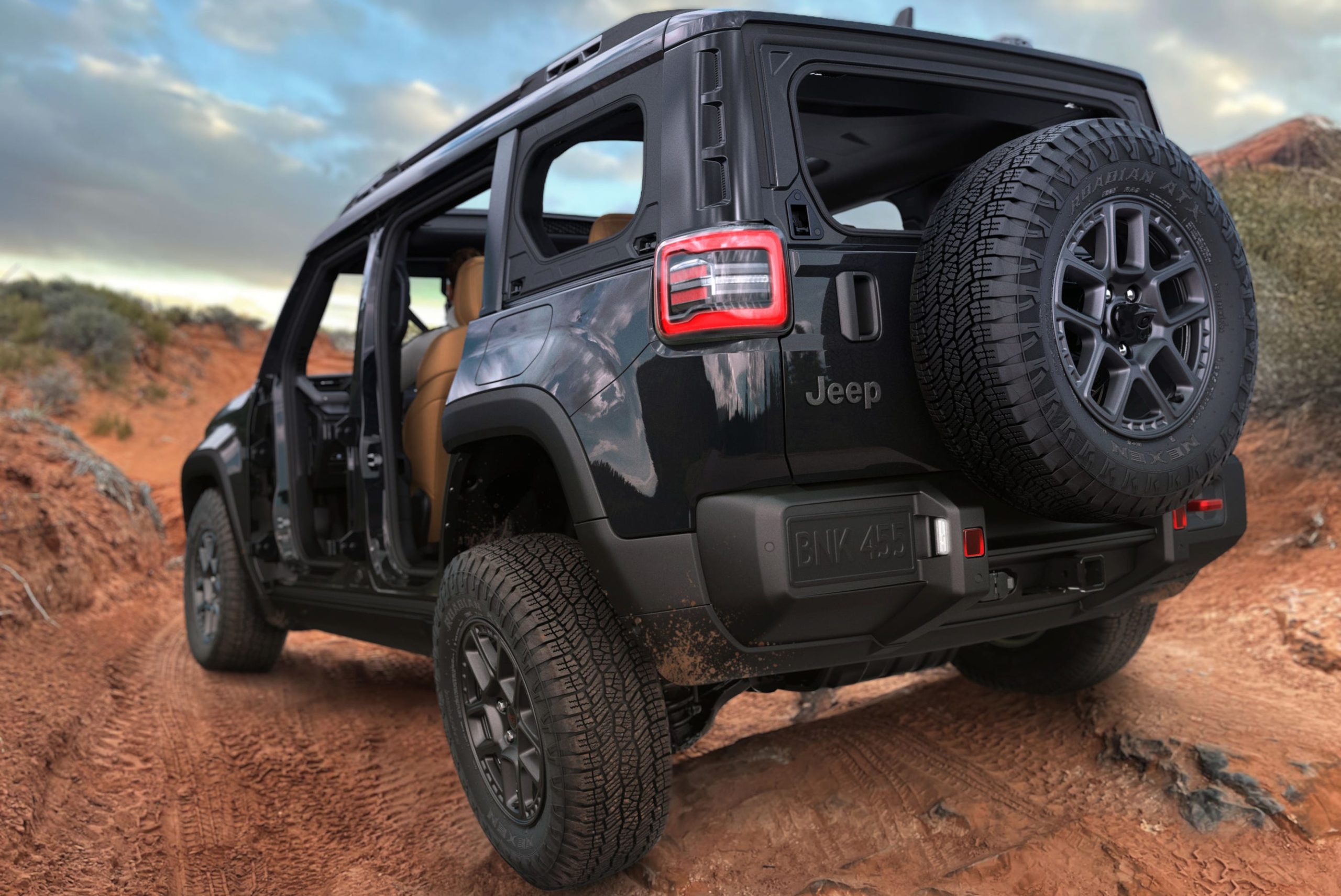
Ford Bronco remains ICE‑only for now; Land Rover’s Defender PHEV suits mixed use but isn’t a pure EV. That leaves Jeep with a chance to define the mainstream EV off‑road SUV slot—if it can deliver credible range management, dependable charging, and Wrangler‑level durability in electric form.
Recommendations
- Product leaders: Treat the Recon as a real‑world test of EV adoption in adventure segments. Instrument early customer usage (range, charging patterns, accessory impacts) and iterate software quickly—route planning, battery preconditioning, and off‑road energy prediction are must‑haves.
- Dealer and retail ops: Set expectations with transparent range guidance for trails, accessory consumption, and charging workflows. Offer bundled Level 2 home charging and trail‑adjacent charging partnerships.
- Infrastructure providers: Prioritize DC fast chargers near national parks, OHV areas, and trailheads; design sites with pull‑through spaces and cable length that accommodate lifted vehicles with gear.
- Fleet and commercial buyers: Wait for EPA range, DC charging specs, and tow/payload ratings. If duty cycles include long rural routes, keep the Wrangler 4xe in consideration until Recon’s real‑world data arrives.