What Changed-and Why It Matters
Boeing agreed to buy 100,000 metric tons of carbon removal from Charm Industrial, which converts agricultural and forestry residues into “bio‑oil” and injects it underground for long‑term storage. The move signals aviation’s shift from avoided‑emissions credits to durable, negative‑emissions removals as carriers and manufacturers seek credible paths to net‑zero.
This matters because durable removal is scarce, expensive, and critical for neutralizing hard‑to‑abate aviation emissions. The purchase is a market‑making step-but 100,000 tons is a drop in a ~1‑gigaton aviation footprint. What leaders should watch now are unit costs, delivery schedules, monitoring and verification rigor, and how removals sit alongside sustainable aviation fuels (SAF) and biochar in an integrated decarbonization portfolio.
Key Takeaways
- Signal shift: Boeing is backing high‑durability carbon removal, not just offsets or SAF. Expect more long‑term offtakes across aviation.
- Cost reality: Prices weren’t disclosed; comparable durable CDR often clears in the mid‑hundreds to low‑thousands of dollars per ton. This contract likely implies tens of millions of dollars over its term.
- Scale constraint: 100,000 tons is ~0.01% of global aviation CO₂. Real impact requires parallel efficiency, SAF scale‑up, and more removals.
- MRV and permanence: Bio‑oil injection offers strong permanence claims (centuries+), but hinges on verifiable volumes, site integrity, and long‑term liability.
- Feedstock competition: Agricultural residues are finite and contested across biochar, SAF, and soil health; procurement standards will be scrutinized.
Breaking Down the Announcement
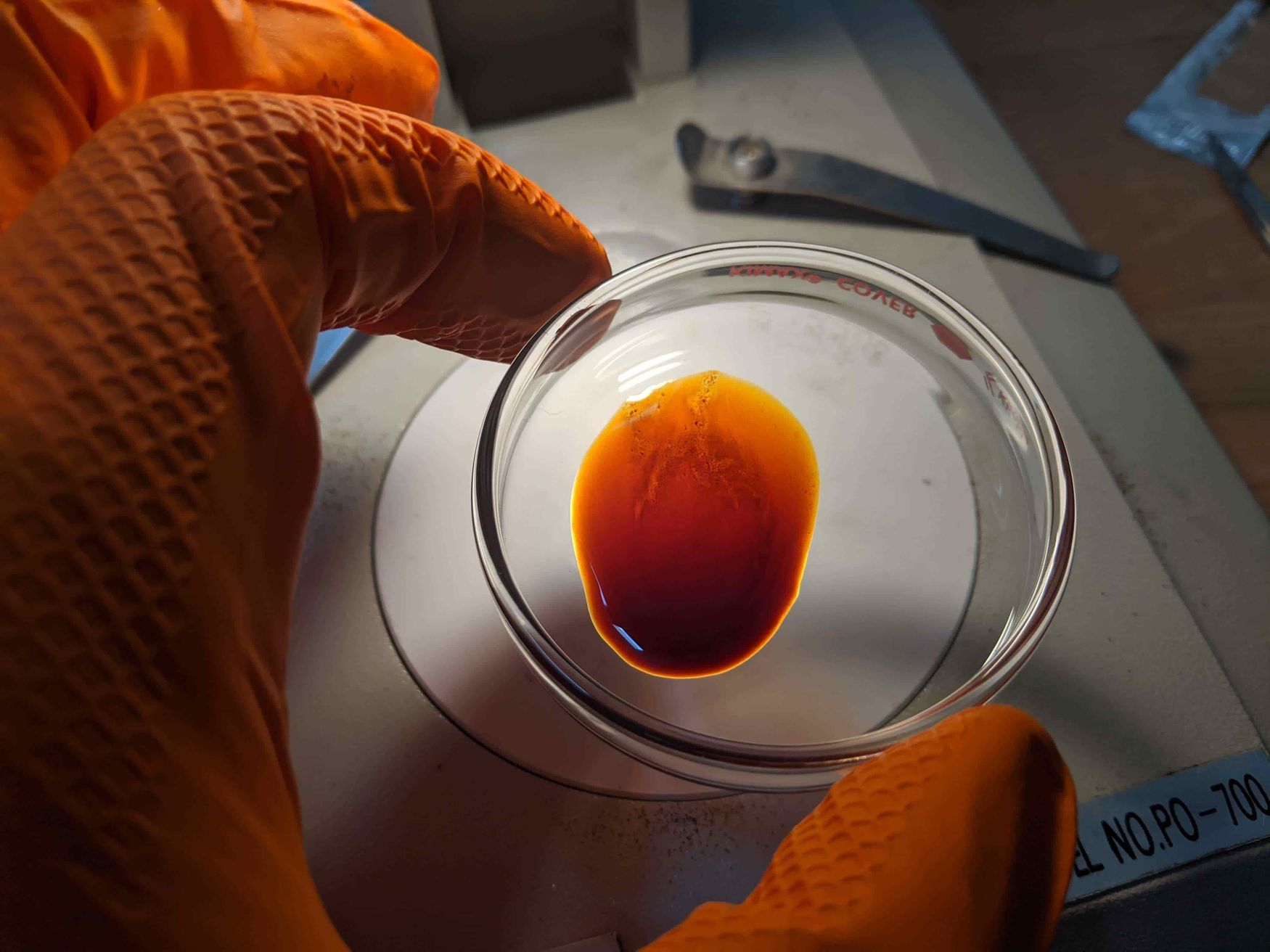
Charm Industrial uses pyrolysis to turn waste biomass into a viscous bio‑oil that’s pumped into geologic formations for storage. Compared with traditional offset categories, this is engineered carbon removal with higher durability and clearer additionality. Charm typically spreads deliveries over multiple years, building capacity via mobile pyrolyzers near residue sources to cut logistics costs and fires risk.

For Boeing, this is a portfolio hedge: durable removals for residual emissions and brand credibility, while the company and its airline customers continue to push efficiency improvements and SAF adoption. The operational theme is data: suppliers like Charm rely on routing optimization, feedstock quality modeling, and sequestration monitoring-expect API‑level integration into carbon accounting systems to be part of the value.
Cost and Scale: The Hard Numbers
Durable CDR remains expensive. Public purchases of bio‑oil and other long‑lived removals frequently price at $500-$1,000+ per ton today, with learning‑curve declines expected later in the decade. At those ranges, 100,000 tons implies $50-$100 million+ in total contract value. Buyers are paying now to accelerate capacity and bring costs down through scale and learning.
Scale is the binding constraint. Aviation emits roughly 2-3% of global CO₂; durable CDR supply is measured in the low‑million‑ton range annually, far short of sectoral needs. Even if Charm and peers scale by orders of magnitude, removals alone won’t cover aviation’s footprint. The near‑term strategy must combine efficiency (fleet renewal, operations), SAF growth, and targeted removals for residuals.
Bio‑Oil vs. Biochar vs. SAF: How to Allocate Residues
Charm’s bio‑oil pathway competes for some of the same residues coveted by biochar producers and, in some cases, future SAF pathways (gasification/Fischer‑Tropsch or alcohol‑to‑jet). Trade‑offs are material:

- Durability: Bio‑oil injection is positioned as centuries‑scale storage; biochar typically targets 100–1,000 years depending on application and soil conditions; SAF reduces in‑sector emissions but does not remove CO₂.
- System benefits: Biochar can improve soil health and crop yields; SAF keeps aviation “in‑sector,” aiding regulatory alignment; bio‑oil focuses on net removal and permanence.
- Cost and readiness: Biochar credits often clear at low‑hundreds per ton with near‑term supply; SAF remains supply‑constrained and cost‑premium (>2–3× fossil jet) in most markets; bio‑oil is costly but scaling with verifiable MRV.
Enterprises will need residue sourcing standards (removal rates, soil carbon safeguards, biodiversity protections) to avoid perverse outcomes and reputational risk.
Governance, Claims, and Compliance
Durable CDR triggers tougher scrutiny than conventional offsets. Executives should insist on:
- Transparent MRV: Metered bio‑oil volumes, density measurements, site‑specific permanence modeling, and third‑party verification.
- Long‑term liability clarity: Who bears monitoring and remediation obligations decades out?
- Claim integrity: Align with leading frameworks (e.g., Science Based Targets’ treatment of removals as neutralizing “residual” emissions) and avoid implying flight‑level “carbon‑neutral” claims without clear accounting.
- Policy fit: Track eligibility under aviation schemes (e.g., CORSIA) and national rules to ensure credits count where needed.
Operator’s Playbook: What to Do Next
For aerospace and airline leaders, here’s a pragmatic course of action:
- Build a diversified decarbonization portfolio: Lock multi‑year offtakes in durable CDR (bio‑oil, mineralization, DAC) for residuals; expand SAF supply agreements; continue ops and fleet efficiency programs.
- Hard‑wire data and MRV: Integrate vendors’ monitoring feeds into your carbon ledger; require audit‑ready documentation by batch and site.
- Set residue sourcing standards: Cap removal rates, protect soil carbon, and avoid double counting across biochar, SAF, and removal pathways.
- Budget with an internal carbon price: Stress‑test scenarios at $500–$1,000/ton for removals and 2–3× fuel premiums for SAF through 2030.
- Be precise in claims: Reserve removal credits for residual emissions, and disclose boundaries, methodologies, and verification partners.
Bottom line: Boeing’s 100,000‑ton deal is strategically sound as a signal and a capacity builder. It won’t solve aviation’s emissions by itself, but it sets a bar for durable removals, sharper MRV, and disciplined portfolio planning. The winners will treat removals, SAF, and efficiency as complementary levers—and manage the cost curve with data, offtakes, and rigorous governance.