Executive summary – what changed and why it matters
Google is rolling out Android 16 to eligible Pixel devices and shifting from a once‑a‑year OS refresh to more frequent feature releases. The release’s headline items are AI‑powered notification summaries and a Notification Organizer, plus expanded customization, parental controls, and a slate of accessibility and camera upgrades that lean on Google’s Gemini and on‑device AI.
- Impact: Faster feature velocity for Android users and earlier access to incremental UX improvements.
- Risk: Privacy and reliability tradeoffs from AI summaries and conversational edits powered by cloud models.
- Timing: Android 16 begins rolling out to eligible Pixel phones now; wider availability and exact cadence for future drops are unspecified.
Breaking down the announcement
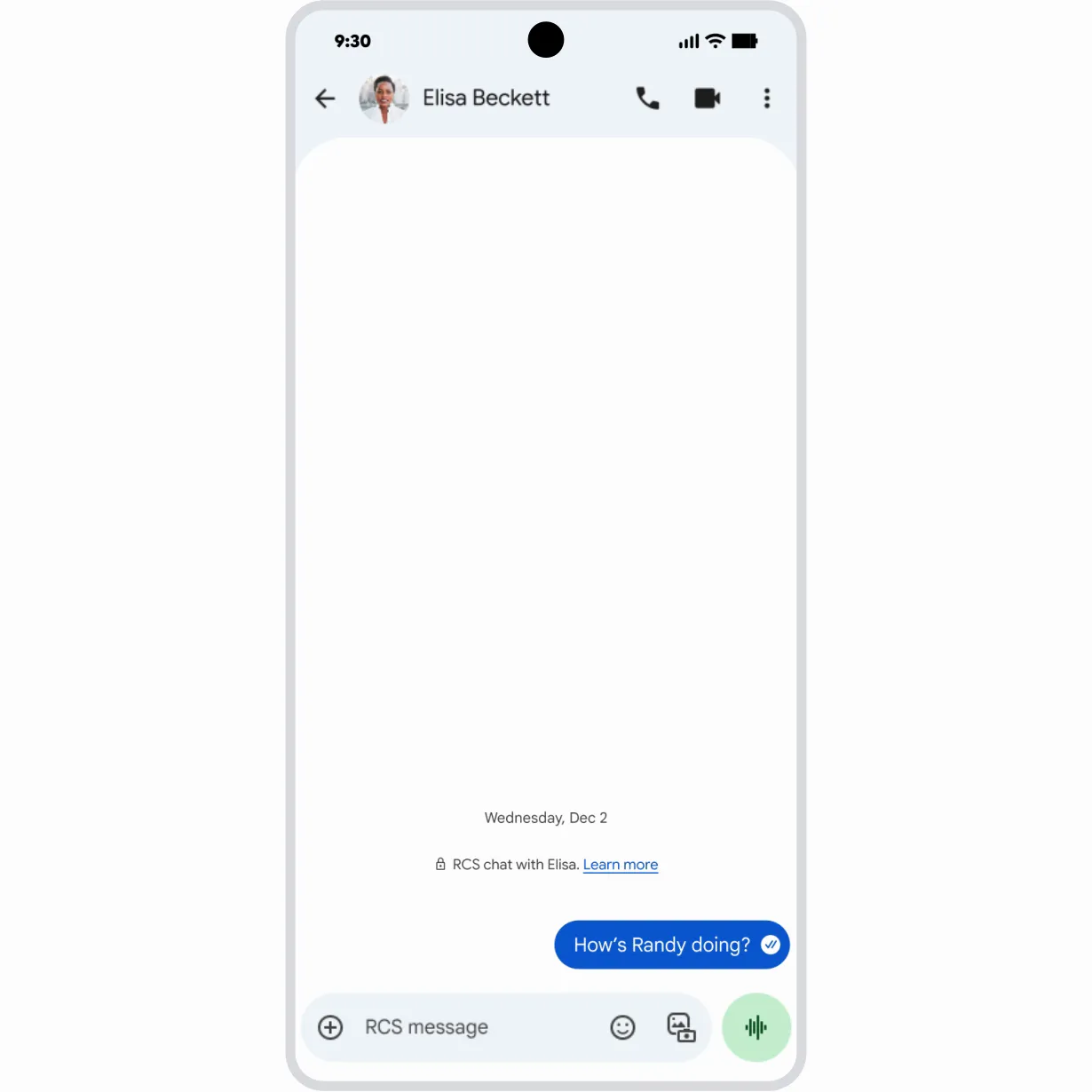
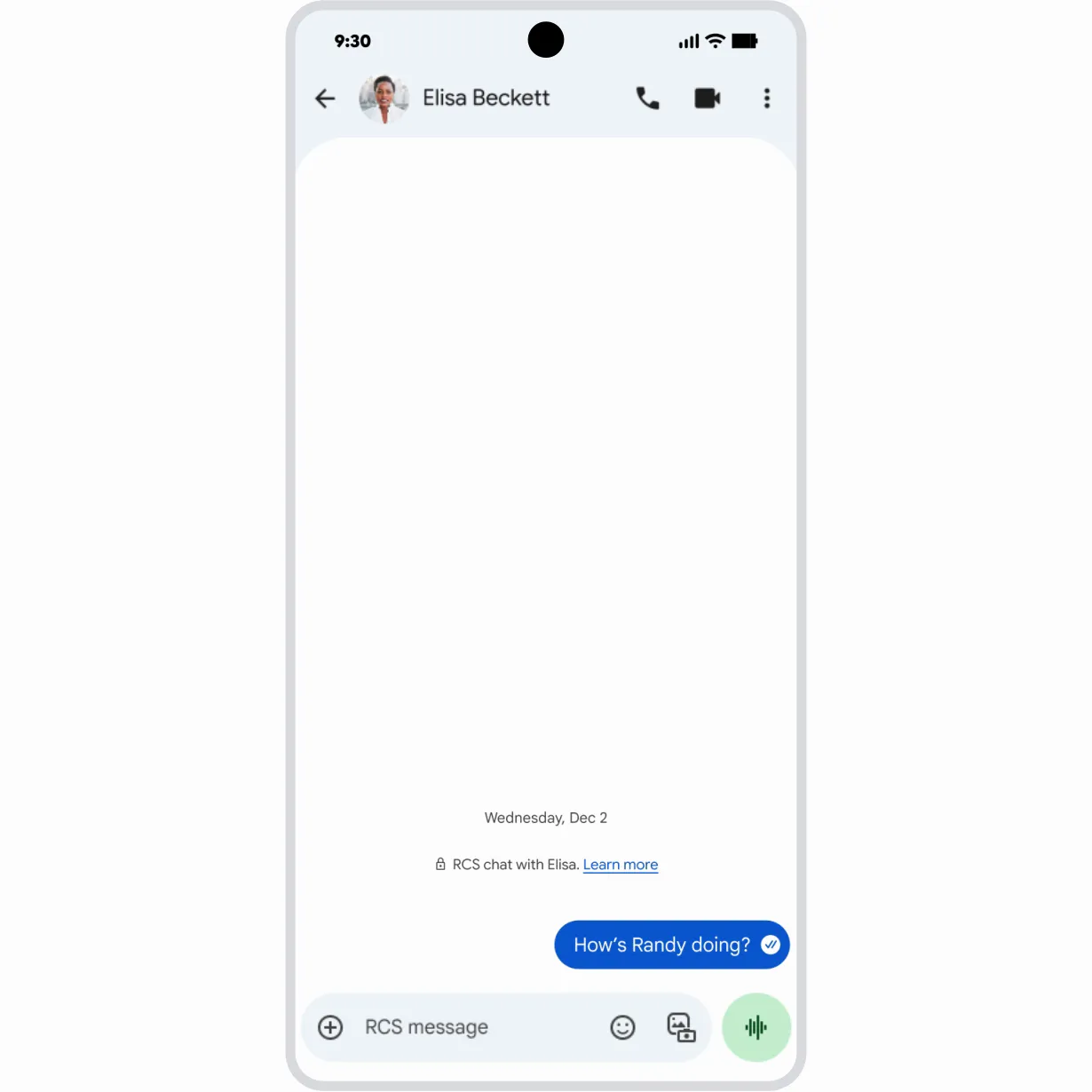
Android 16 introduces several user‑facing capabilities. AI notification summaries condense long group chats and message threads into brief overviews designed for glanceability. The Notification Organizer automatically groups and silences lower‑priority alerts (promotions, news, social). Customization gains include themed icons, custom icon shapes and automatic darkening of apps without native dark themes.
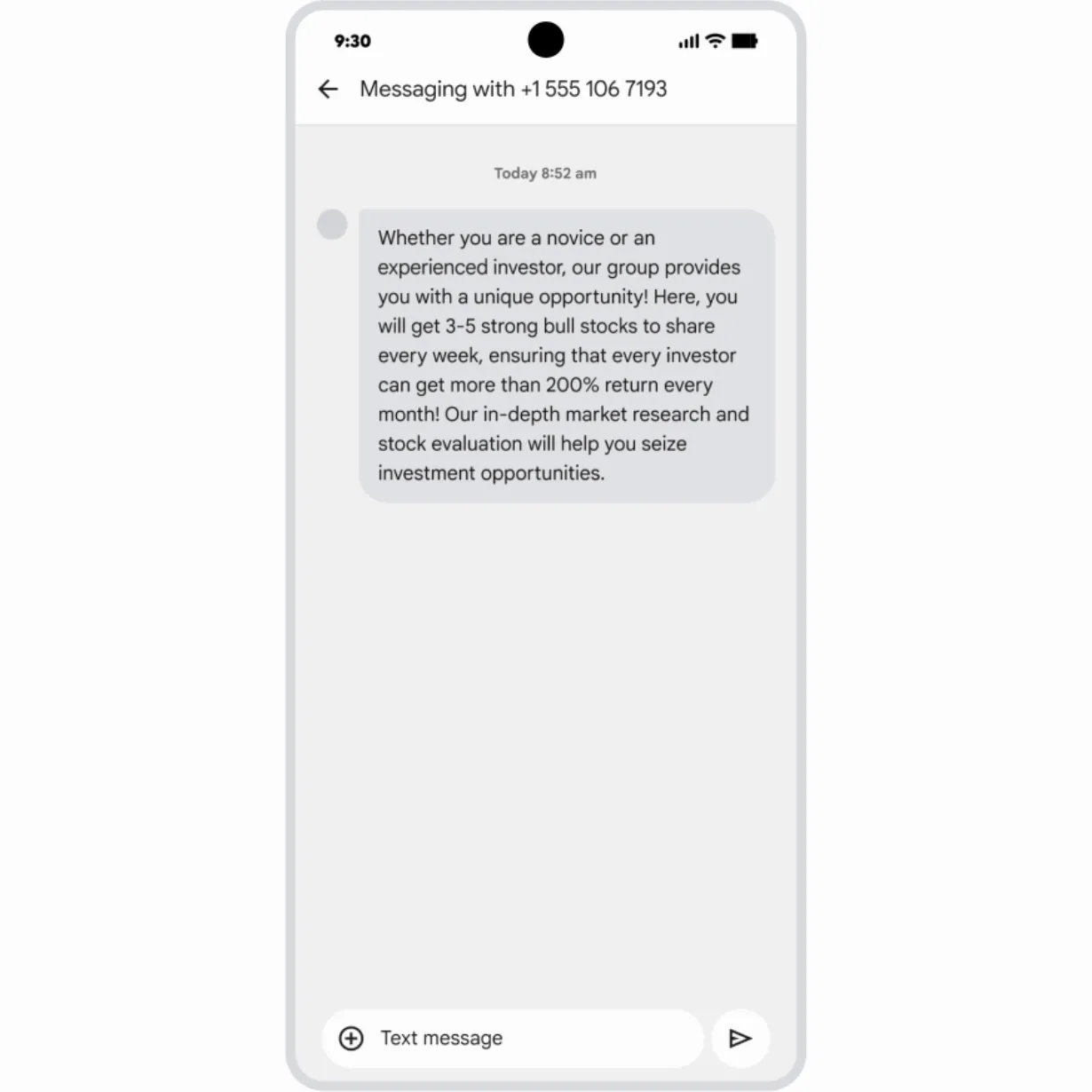
Google also added a Parental Controls panel in Settings for screen‑time limits, downtime schedules and app controls. Accessibility and camera improvements include Expressive Captions (emotion tags like [sad] or [joyful]), TalkBack dictation with Gemini (natural edit commands) and an enhanced Guided Frame that gives richer scene descriptions. Cross‑version features rolling out more broadly include Call Reason (mark calls as urgent), improved group‑chat controls, Chrome pinned tabs on mobile, Circle to Search scam analysis, and Fast Pair support for hearing aids from Demant (Oticon, Sonic, Bernafon brands).
Technical and operational details to note
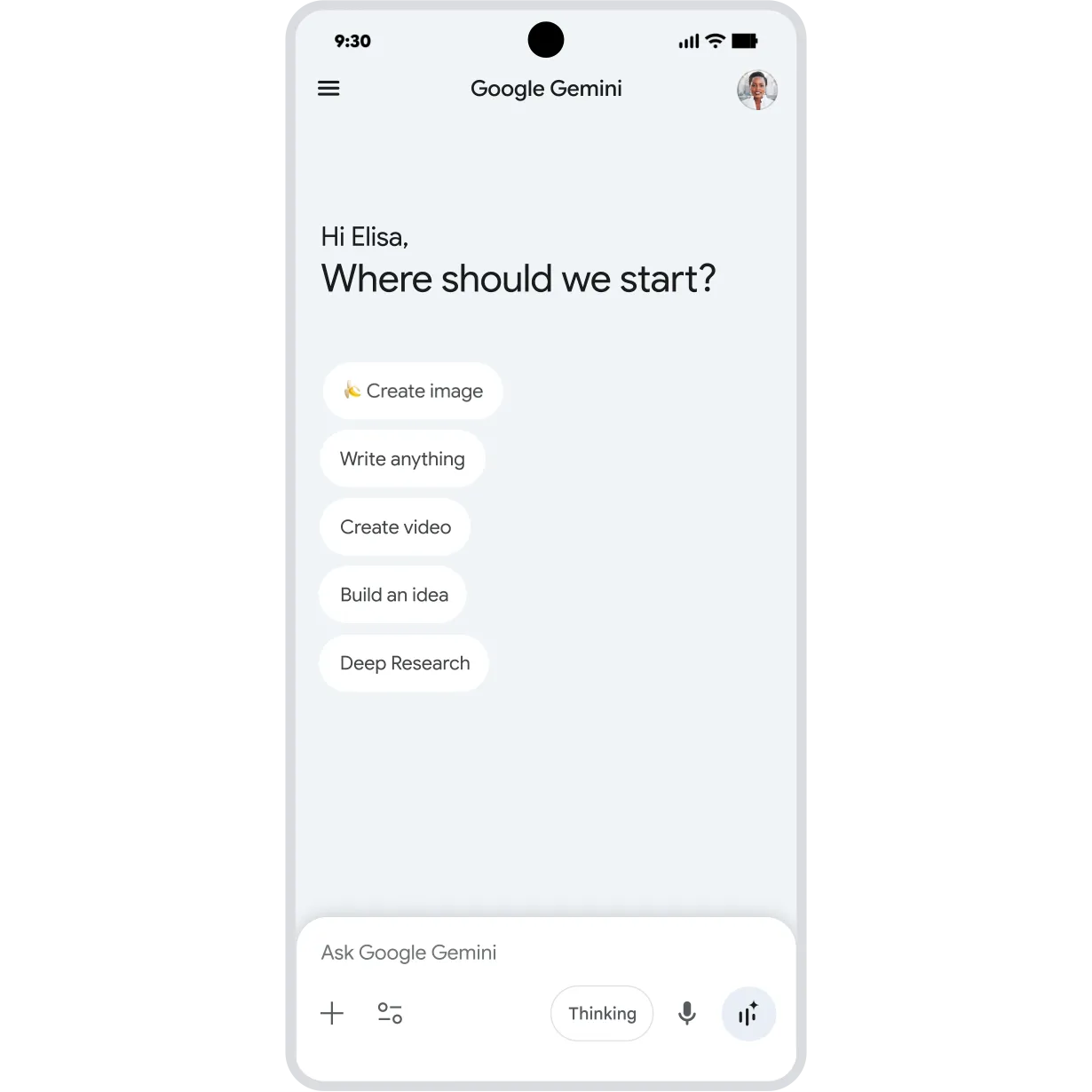
Google frames several features as AI‑driven. Some capabilities (Live Caption, prior accessibility tools) have run on‑device historically; others rely on Gemini or cloud models. Google hasn’t published hard numbers for latency, CPU or battery cost of the new AI features, nor a clear on‑device versus cloud split for Gemini‑enabled dictation and scam analysis. Rollout starts on Pixel hardware; OEMs and carriers determine when – and if – features land on non‑Pixel phones.
There is no public pricing change tied to Android 16, but cloud model usage can affect network, CPU and support costs if enterprises adopt features at scale (for example, deploying TalkBack/Gemini in shared device fleets).
Why now — and how this compares
Google’s move toward more frequent feature drops mirrors broader industry pressure to shorten update cycles and deliver competitive capabilities faster. Apple has incrementally shipped features via iOS point releases; Google’s announcement signals a platform shift to match user expectations for faster iteration. On feature parity, many items mirror existing iOS/Safari or Samsung functionality (pinned tabs, notification grouping, Live/Expressive captions) but bring deeper Google‑AI integration.
Risks, compliance, and quality caveats
AI summaries and scam analysis raise three immediate concerns: mistaken summaries that omit critical details, false positives/negatives in scam detection, and data handling for speech/text sent to models. Enterprises and parents should evaluate data residency, retention and GDPR/COPPA implications. Accessibility advances are meaningful but depend on classification accuracy; Expressive Captions’ emotion tags introduce cultural and demographic bias risks.
What this changes for operators and product leaders
- Device fleets will get features faster, but expect uneven availability across OEMs and fragmentation in the short term.
- Privacy and legal teams must review any features that route user content to cloud models (dictation, scam checks, expressive captions).
- Customer support and QA should plan for new failure modes: mis‑summaries, mistaken “urgent” call flags, and accessibility mislabeling.
- Accessibility teams should validate TalkBack/Gemini workflows and Guided Frame descriptions across languages and demographics.
Recommendations — who should act and next steps
- Product leaders: Pilot Android 16 on Pixel test fleets to measure latency, battery, and user experience impact before broad rollout.
- Security/compliance: Audit data flows for Gemini and Circle to Search; update privacy notices and opt‑outs where required.
- Accessibility teams: Run acceptance tests for TalkBack dictation and Expressive Captions across representative user groups.
- Customer support & ops: Prepare messaging for false positives in scam detection and mis‑summaries; train agents on how to escalate AI errors.
Bottom line: Android 16 packs pragmatic, user‑visible AI features that improve day‑to‑day phone use and accessibility. The strategic shift to faster feature releases accelerates value delivery but raises operational, privacy, and quality control requirements that organizations must treat as first‑order implementation risks.